

Before You Plug In That Space Heater: Heating Season Electrical Safety for Older Binghamton Homes
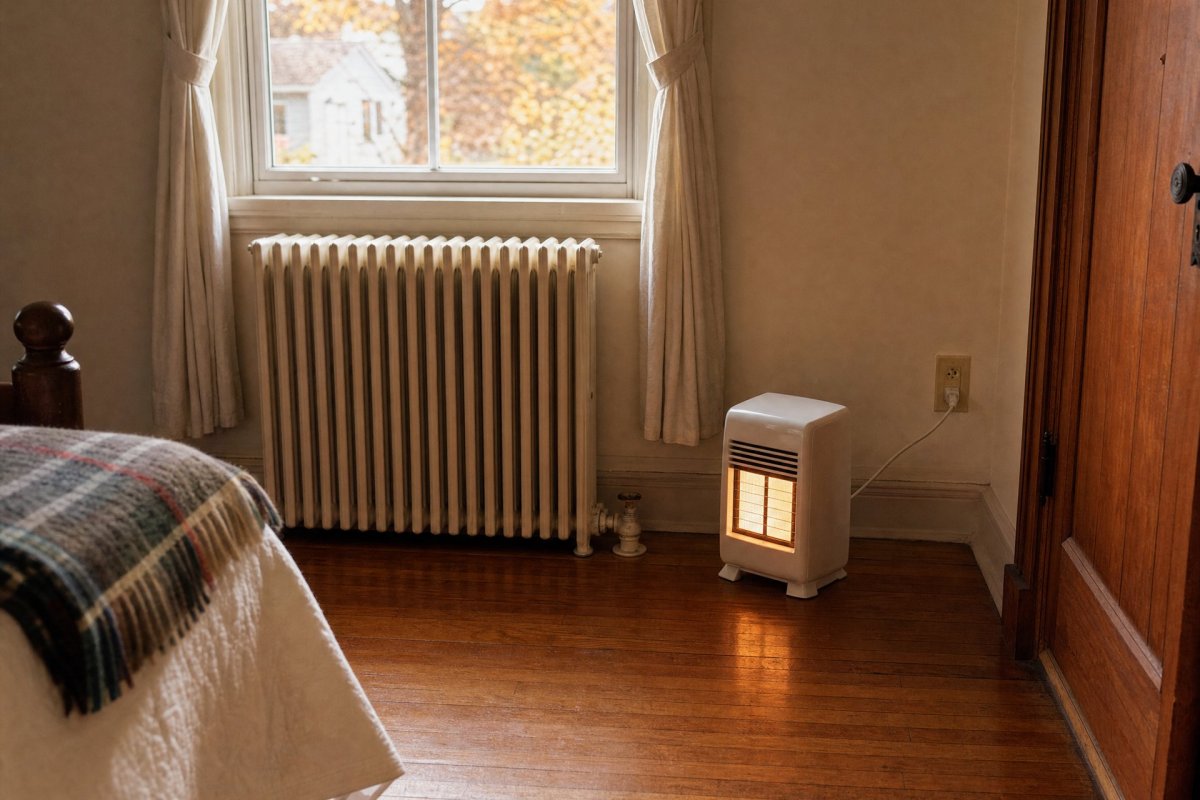
Picture this: it’s a chilly October evening in your Endwell Colonial, and the upstairs bedroom never quite warms up. You dig the space heater out of the closet, plug it into the nearest outlet, and settle in. Twenty minutes later the breaker trips, the lights go out, and you’re headed to the basement with a flashlight.
Portable heaters are a Southern Tier staple, but they’re also one of the biggest electrical stress tests your home faces all year. According to the National Fire Protection Association, space heaters are involved in roughly 80 percent of home heating fire deaths, and nearly half of all home heating fires happen in December, January, and February.
In today’s post, we’ll cover space heater electrical safety for older homes: why heaters and aging wiring are a risky mix, the rules we want every family to follow, and when it’s time to fix the circuit instead of fighting it. Albrite Electric has helped Binghamton area homeowners stay safe and warm since 1999.
Why Space Heaters Push Older Wiring to the Limit
Most portable heaters draw 1,500 watts, which works out to about 12.5 amps. A typical bedroom circuit is rated for 15 amps and often shares that capacity with lamps, a TV, and phone chargers. Heater use alone sits close to the limit before anything else is plugged in, so a tripping breaker is no surprise.
A tripping breaker is actually the good outcome. In older homes, the bigger worry is what happens at the outlet itself. Worn receptacles, loose connections, and aging wiring create resistance, and resistance creates heat. Homes with two prong outlets or aluminum wiring are especially vulnerable, so if a plug or wall plate feels more than slightly warm, unplug the heater.
Plug Direct and Skip the Cord
A space heater should plug straight into a wall outlet. Extension cords and power strips aren’t built for sustained high wattage, and they are a common culprit behind melted plugs. Our post on extension cord and power strip hazards explains why.
After the heater has run for 15 minutes, check the plug and wall plate. Discolored plastic, a loose fit, or a burning odor means you should stop using that outlet and call a professional. Our guide to what a burning smell from an outlet is telling you covers the details.
Space Heater Electrical Safety Rules to Follow This Winter
- Keep the heater at least three feet from bedding, curtains, furniture, and anything else that can burn.
- Plug it directly into the wall, never into an extension cord or power strip.
- Avoid running other big appliances on the same circuit.
- Turn it off when you leave the room or go to sleep.
- Choose a model with tip over and overheat shutoff that is listed by a recognized testing lab.
- Inspect the cord and plug for fraying, cracks, or discoloration before each season.
- Test your smoke and carbon monoxide detectors and replace batteries as needed.
Bathrooms deserve extra care. Heaters and water don’t mix, and bathroom outlets should have GFCI protection for exactly that reason.
When the Real Fix Is a Better Circuit
If you rely on a space heater every night, your home is telling you something. A room that’s always cold may point to a heating system issue, which is a conversation for your HVAC contractor. But if a heater is a regular guest, a dedicated circuit can make that habit safer. We can run a new line sized for the load, replace worn receptacles, and add a well placed outlet so you aren’t reaching for a cord. A new circuit breaker is often part of the fix.
If your panel is crowded or outdated, an electrical panel upgrade gives your home room to grow. Space heaters can also add noticeably to your winter bills, so it’s worth browsing NYSEG’s energy efficiency resources as well.
When to Call a Professional
Don’t wait if you notice any of these warning signs:
- Breakers that trip every time the heater runs
- Outlets, plugs, or wall plates that are hot, discolored, or scorched
- Buzzing, crackling, or burning smells near outlets
- Lights that flicker or dim when the heater cycles on
- Only two prong outlets in rooms where you need heat
If something smells like it’s burning, unplug the heater, switch off the breaker, and call us. Our guide to when it’s a real electrical emergency breaks down the signs. Families in Vestal and across the Greater Binghamton area can reach our team around the clock for urgent problems.
Common Questions About Space Heater Safety
Stay Warm and Stay Safe This Winter
A space heater can be a handy tool when it’s used with respect for your home’s wiring. Follow these space heater electrical safety rules, watch for warning signs, and treat a tripping breaker as information, not an annoyance. If your older Southern Tier home needs a circuit that can keep up, Albrite Electric’s licensed, insured team is ready to help.
Questions or ready to schedule? Call (607) 748-2105 or request an estimate online.