

Two-Prong Outlets in Your Binghamton Home: Why They're a Problem and What to Do About Them
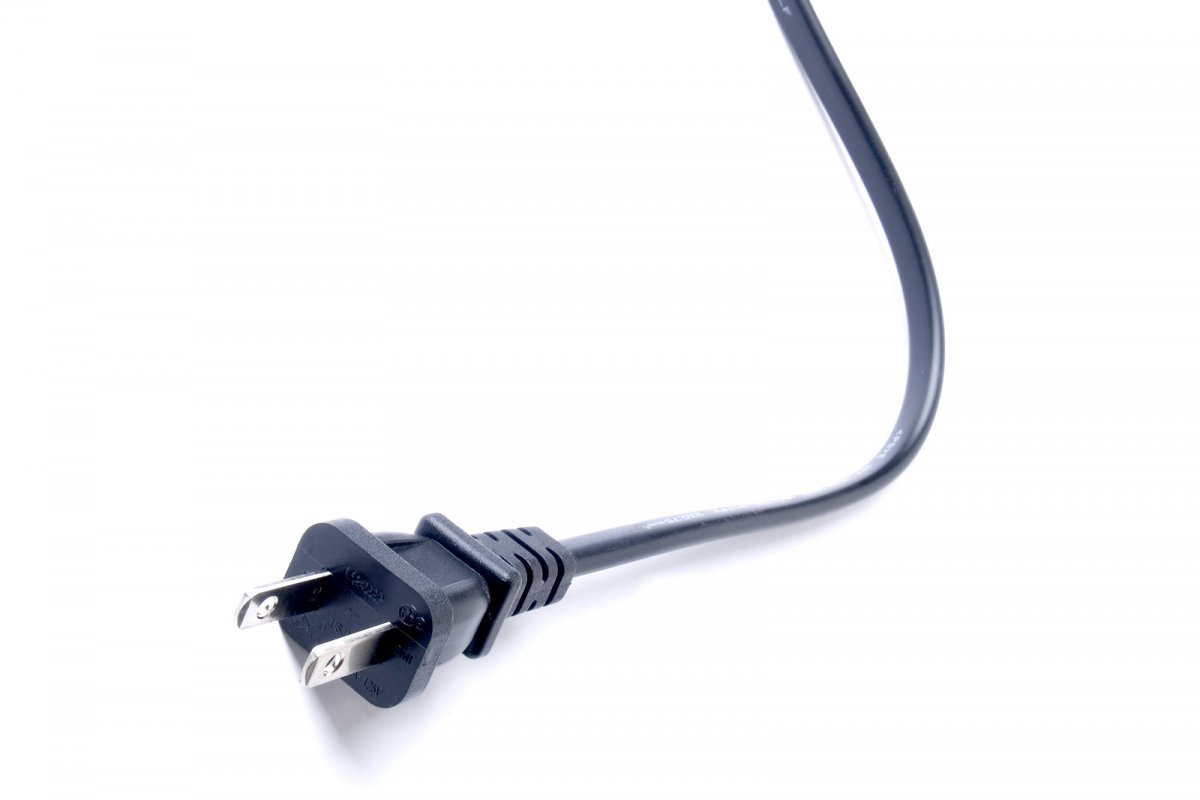
You move into your first home — a charming 1940s bungalow in Johnson City or a classic colonial in Endwell — and you start noticing something: outlet after outlet has only two slots. No grounding hole. Every modern appliance you own, from your laptop charger to your kitchen mixer to your TV, has a three-prong plug, and half of them won’t fit without an adapter. Sound familiar?
Two-prong outlets are one of the most common electrical issues in older Greater Binghamton homes, and they’re more than just an inconvenience. Ungrounded outlets present a genuine safety risk to your family and your electronics — one that those little plastic adapters don’t actually solve. The good news is that upgrading from two-prong to three-prong outlets is a straightforward project for a licensed electrician, and it’s one of the most impactful safety upgrades you can make in an older home.
What’s the Difference Between a Two-Prong and Three-Prong Outlet?
The third prong on a modern outlet — the round hole at the bottom — is the ground. In a properly wired grounded outlet, this ground wire provides a safe path for stray electrical current to travel back to your electrical panel and into the earth, rather than through you or your device.
Without that ground, stray current has nowhere safe to go. In a fault situation — where electricity escapes the normal circuit path due to a wiring defect, damaged appliance, or power surge — that current will find the path of least resistance on its own. That might be through a metal appliance casing you’re touching, through the sensitive circuitry of an expensive electronic device, or in serious cases, through a person.
Older homes like those built in the 1940s, 50s, and 60s across Greater Binghamton were wired before grounding was required by electrical code. The wiring systems in those homes — whether knob and tube or early plastic-sheathed cable — simply didn’t include a ground wire. As homes age and as electrical codes evolve, bringing grounding up to modern standards is one of the key components of a comprehensive electrical wiring upgrade.
Why Those Adapter Plugs Are Not the Answer
Walk into any hardware store and you’ll find small plastic adapters that let a three-prong plug fit into a two-prong outlet. They’re cheap and widely sold, which unfortunately gives many homeowners the impression that they solve the problem. They don’t.
These adapters have a small green wire or tab that’s supposed to be connected to the outlet’s cover plate screw — which only provides a ground path if the outlet itself is already grounded through the metal box and conduit. In most older homes with two-prong outlets, there is no ground present at all, meaning the adapter is simply giving your three-prong plug a place to fit without providing any actual protection. You’re getting the appearance of a grounded outlet without any of the safety benefit.
Using these adapters long-term also voids warranties on many electronics and appliances that specify a grounded outlet as a requirement. If a device is damaged by a surge or fault while plugged into an ungrounded outlet, the manufacturer may refuse a warranty claim.
Your Options for Upgrading Two-Prong Outlets
When it comes to actually solving the problem, homeowners have a few options, and the right one depends on the wiring situation in your specific home. A licensed electrician will assess what’s behind your walls before recommending an approach.
The gold-standard solution is running a new ground wire from the outlet back to your electrical panel, converting the outlet to a fully grounded three-prong receptacle. This is the most complete fix and the one we recommend whenever it’s practical. Our two-to-three-prong outlet conversion service covers exactly this type of work throughout the Greater Binghamton area.
In situations where running a ground wire isn’t practical — such as in a home with plaster walls where fishing new wire would be very disruptive — the National Electrical Code allows the installation of GFCI outlets as an acceptable alternative. A GFCI outlet (the kind with the “Test” and “Reset” buttons) provides protection against ground faults even without a ground wire present, and it can be labeled “No Equipment Ground” to indicate it’s been upgraded for safety. This approach is commonly used in older homes where full rewiring isn’t immediately planned. Our post on GFCI and AFCI protection covers how these devices work in detail.
In some cases — particularly where older wiring systems like knob and tube are still present — the most comprehensive solution involves a broader rewiring project. If your home still has original wiring from the 1940s or earlier, converting outlets is an opportunity to also assess the overall state of the system and plan any needed upgrades.
What About the Electrical Panel?
Homes old enough to still have two-prong outlets often have older electrical panels as well. If your panel is a Federal Pacific, Zinsco, or older fuse box, it may have safety issues independent of the outlet situation. While you don’t necessarily need a panel upgrade in order to convert outlets, an electrician working through your home is well-positioned to flag any panel concerns. Our post on signs it’s time to replace your electrical panel is worth reading if your panel is original to the home.
A home electrical inspection is often the best starting point for homeowners who’ve moved into an older property and aren’t sure what they’re dealing with. It gives you a complete picture of the system — outlets, wiring, panel, and grounding — so you can prioritize upgrades based on safety and budget rather than guessing where to start.
When to Call a Professional
Outlet work might seem simple on the surface, but converting ungrounded outlets to grounded three-prong receptacles involves evaluating the wiring behind the walls, determining the correct code-compliant approach for your specific situation, and obtaining the proper permits. This isn’t a job for a YouTube tutorial and a screwdriver — especially in a home old enough to have two-prong outlets, where surprises behind the walls are common. Our licensed electricians have worked in hundreds of Greater Binghamton homes and know exactly what to expect.
No — not in the way most people use them. Those adapters are only safe if the small grounding tab is connected to a true ground at the outlet, which simply doesn’t exist in most older homes with two-prong outlets. Without that connection, the adapter gives your plug a place to fit but provides no grounding protection whatsoever. The only proper solutions are converting the outlet to a grounded three-prong receptacle or installing a GFCI outlet, which provides fault protection even without a ground wire. Our outlet conversion service can walk you through the right approach for your home.
The cost depends on the approach used — whether you’re running new ground wires, installing GFCI outlets, or doing a broader wiring upgrade — and on the number of outlets involved and the accessibility of the wiring in your home. The best way to get an accurate number for your specific situation is to schedule a free estimate. We provide transparent, detailed quotes so you understand exactly what’s involved before any work begins. Request your free estimate here.
Physically swapping an outlet is something a handy homeowner can do, but it doesn’t solve the underlying grounding problem. If you replace a two-prong outlet with a three-prong outlet without adding a ground wire or installing a GFCI device, you’ve created a more dangerous situation — the outlet now accepts three-prong plugs and looks grounded, but isn’t. This is actually a code violation. The right fix requires understanding what’s behind the wall and choosing the correct code-compliant solution, which is why this job is best left to a licensed electrician.
Yes, it adds complexity. Knob and tube wiring doesn’t include a ground wire at all, so running a new ground back to those circuits is part of any proper conversion. Depending on the condition of the existing wiring, your electrician may recommend addressing the broader wiring situation rather than just converting individual outlets. Read our post on knob and tube wiring for more background, and then give us a call so we can assess what’s actually in your walls.
Not necessarily. Many homeowners prioritize the outlets they use most heavily first — kitchens, home offices, entertainment areas — and phase in additional upgrades over time. An electrician can help you identify which outlets pose the greatest risk and create a priority list that fits your budget. The important thing is not to leave high-use outlets unaddressed, especially in areas where you’re plugging in expensive electronics or appliances. Our team at Albrite Electric is happy to help you build a practical upgrade plan. Call us at (607) 748-2105 to get started.
Two-prong outlets are a solvable problem — and solving it properly protects your family, your electronics, and your home’s value. Whether you have a handful of two-prong outlets or an entire house full of them, Albrite Electric can assess your situation and get you on the right path. Call us at (607) 748-2105 or schedule your free estimate online. Serving Johnson City, Endicott, Binghamton, and the surrounding Greater Binghamton area since 1999.