

Aluminum Wiring in Older Homes: What Greater Binghamton Homeowners Need to Know
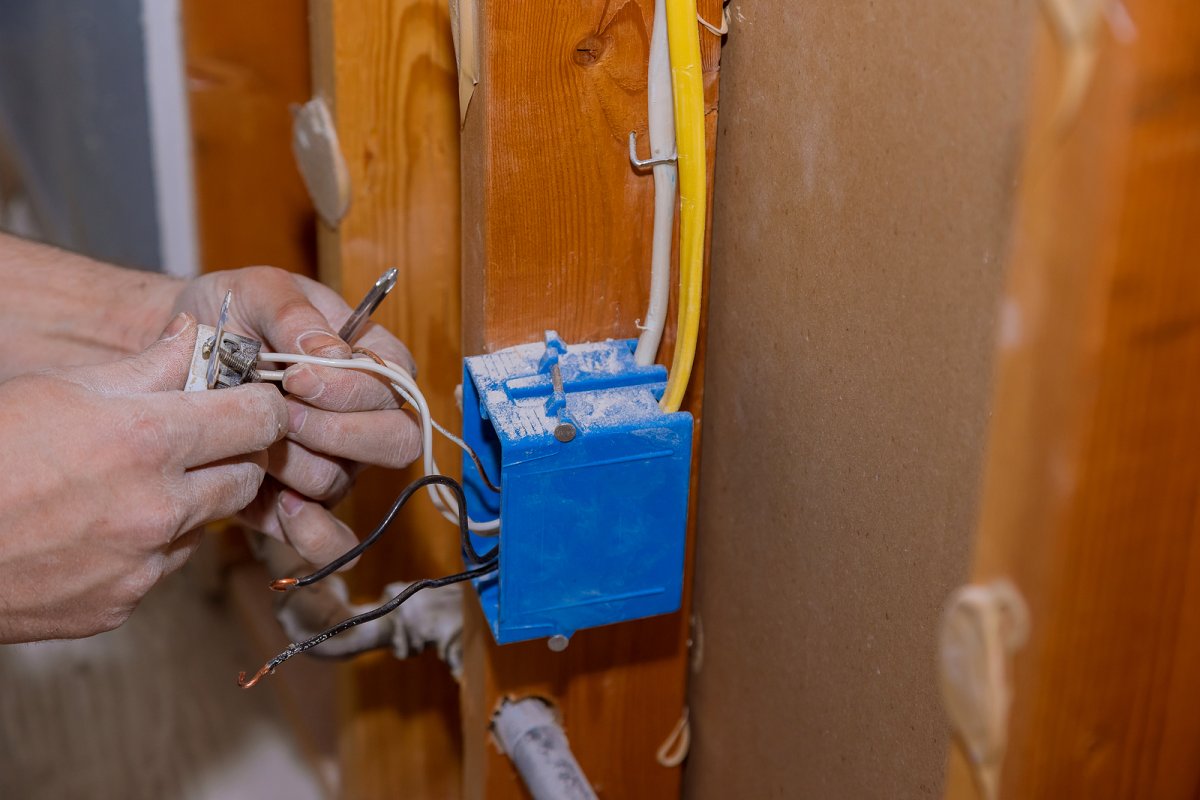
Most homeowners have heard of knob and tube wiring — the old ceramic-and-cloth electrical systems found in homes built before the 1950s. But there’s another outdated wiring type that’s just as concerning, and it’s hiding in thousands of homes across the Greater Binghamton area: aluminum wiring. If your home was built between roughly 1965 and 1973, there’s a real possibility that aluminum branch circuit wiring runs through your walls — and if it hasn’t been professionally addressed, it may represent a serious fire hazard.
This isn’t a scare tactic. The U.S. Consumer Product Safety Commission has documented that homes with aluminum wiring are significantly more likely to experience fire-hazard conditions than homes wired with copper. The good news is that there are proven solutions, and Albrite Electric has been helping Greater Binghamton homeowners address aluminum wiring safely since 1999. Here’s what you need to know.
Why Aluminum Wiring Became Common — and Why It Was Problematic
During the mid-1960s, copper prices spiked dramatically. Builders and electrical contractors turned to aluminum as a lower-cost alternative for branch circuit wiring — the wiring that runs from your electrical panel to your outlets, switches, and light fixtures. Aluminum wiring itself isn’t inherently dangerous; it’s used safely in large-gauge applications like service entrance cables to this day. The problem was using it for the smaller-gauge branch circuit wiring throughout a home.
Aluminum expands and contracts with heat more than copper does. Over years of use, this repeated movement causes connections at outlets, switches, and fixtures to loosen. Loose connections create resistance, and resistance creates heat. That localized heat at connection points is what creates the fire risk. Additionally, aluminum oxidizes differently than copper — the oxide layer that forms on aluminum is a poor conductor, which further increases resistance at connection points over time.
By the mid-1970s, the building industry largely moved back to copper for branch circuit wiring once the fire risk became apparent. But homes built or wired during that roughly 10-year window — many of which are still standing in neighborhoods across Johnson City, Endicott, Endwell, and Binghamton — may still have the original aluminum branch wiring in place.
How to Tell If Your Home Has Aluminum Wiring
You don’t need to open up your walls to get a good idea of whether aluminum wiring might be present. Here are the most practical ways to check:
- Check your home’s build date. If your home was built between 1965 and 1973, aluminum branch circuit wiring is a real possibility.
- Look at your electrical panel. If you can see wiring entering your breakers, aluminum wiring appears dull gray (not the shiny copper-orange of copper wire). You may also see “AL” stamped on the wire jacket.
- Look for warm or discolored outlets and switches. Outlets that feel warm to the touch, show discoloration, or have covers that look slightly melted are warning signs of loose or overheating connections.
- Pay attention to flickering lights. Lights that flicker without an obvious cause — especially in a home of this age — can indicate a loose aluminum connection somewhere on that circuit.
- Schedule a professional inspection. The most reliable way to know is to have a licensed electrician assess your home. Our electrical safety inspections are designed specifically to catch issues like this before they become emergencies.
If you’ve recently purchased an older home in Johnson City, Endicott, or anywhere in the Greater Binghamton area and you’re not sure what kind of wiring you have, this is exactly the kind of question a pre-purchase or new-owner electrical inspection can answer. We discuss what those inspections involve in our post on what happens during a home electrical inspection.
Your Options for Addressing Aluminum Wiring
If your home does have aluminum branch circuit wiring, you have a few different approaches depending on your budget, the condition of the existing wiring, and your long-term plans for the home.
Complete rewiring with copper is the most comprehensive solution. It involves replacing all aluminum branch circuit wiring with new copper wiring throughout the home. This eliminates the risk at the source and brings your home fully up to current electrical code. It’s the right choice if you’re doing a major renovation, if the existing wiring is in poor condition, or if you want a permanent solution. Our electrical wiring upgrade team handles rewiring projects of all sizes.
CO/ALR device replacement is a more targeted approach for homes where the aluminum wiring itself is in good condition but the connection points need to be made safe. CO/ALR-rated outlets and switches are specifically designed to work safely with aluminum wiring. Replacing every outlet, switch, and fixture connection point in the home with CO/ALR-rated devices significantly reduces the fire risk at those critical connection points. This is often a more affordable intermediate solution.
COPALUM or AlumiConn pigtailing involves splicing a short length of copper wire onto every aluminum branch circuit connection using a specialized crimp connector (COPALUM) or an AlumiConn connector. The copper pigtail then connects to standard devices. When done correctly by a trained electrician, pigtailing is considered a reliable long-term remediation by the CPSC. It’s less disruptive than full rewiring and can be done room by room over time if needed.
The right approach for your home depends on factors a licensed electrician can evaluate in person. As part of any aluminum wiring assessment, we’ll also check your electrical panel to make sure it’s properly sized and in good condition — older panels in homes of this era sometimes need attention as well. We also take care of making sure everything is up to code, from GFCI outlet protection to updated circuit breakers.
The Insurance and Real Estate Angle
Aluminum wiring isn’t just a safety issue — it can also affect your homeowner’s insurance and your ability to sell your home. Some insurers are reluctant to cover homes with unaddressed aluminum wiring, or they charge higher premiums to account for the increased risk. If you’re planning to sell, savvy buyers and their home inspectors often flag aluminum wiring, and lenders may require remediation before closing.
Addressing aluminum wiring proactively is one of those home improvements that pays dividends well beyond the immediate safety benefit. It protects your family, it protects your property value, and it removes a potential obstacle when it comes time to sell or refinance. For homeowners in the Johnson City and Endicott areas — where a large proportion of the housing stock falls in that 1965–1973 construction window — this is a particularly important conversation to have.
When to Call a Professional
Aluminum wiring remediation is not a DIY project. The connection points that pose the greatest risk are the very places where improperly done repairs can make the situation worse. Always work with a licensed electrician who has experience with aluminum wiring and is familiar with the accepted remediation methods recognized by the CPSC.
At Albrite Electric, we’ve assessed and remediated aluminum wiring in homes across the Greater Binghamton area for over 25 years. We’ll give you a thorough inspection, an honest assessment of your options, and a clear explanation of what we recommend — with no pressure tactics and transparent pricing. See what our customers say on our testimonials page, or learn more about our approach on the Why Albrite Electric page.
If you suspect your home may have aluminum wiring, don’t wait for a problem to surface. Call us at (607) 748-2105 or request a free estimate online. Peace of mind starts with knowing what you’re dealing with.
Proudly serving Binghamton, Johnson City, Endicott, Endwell, Vestal, and communities throughout the Southern Tier since 1999. Call (607) 748-2105 today.