

Smoke and Carbon Monoxide Detectors: Are Yours Actually Protecting Your Family?
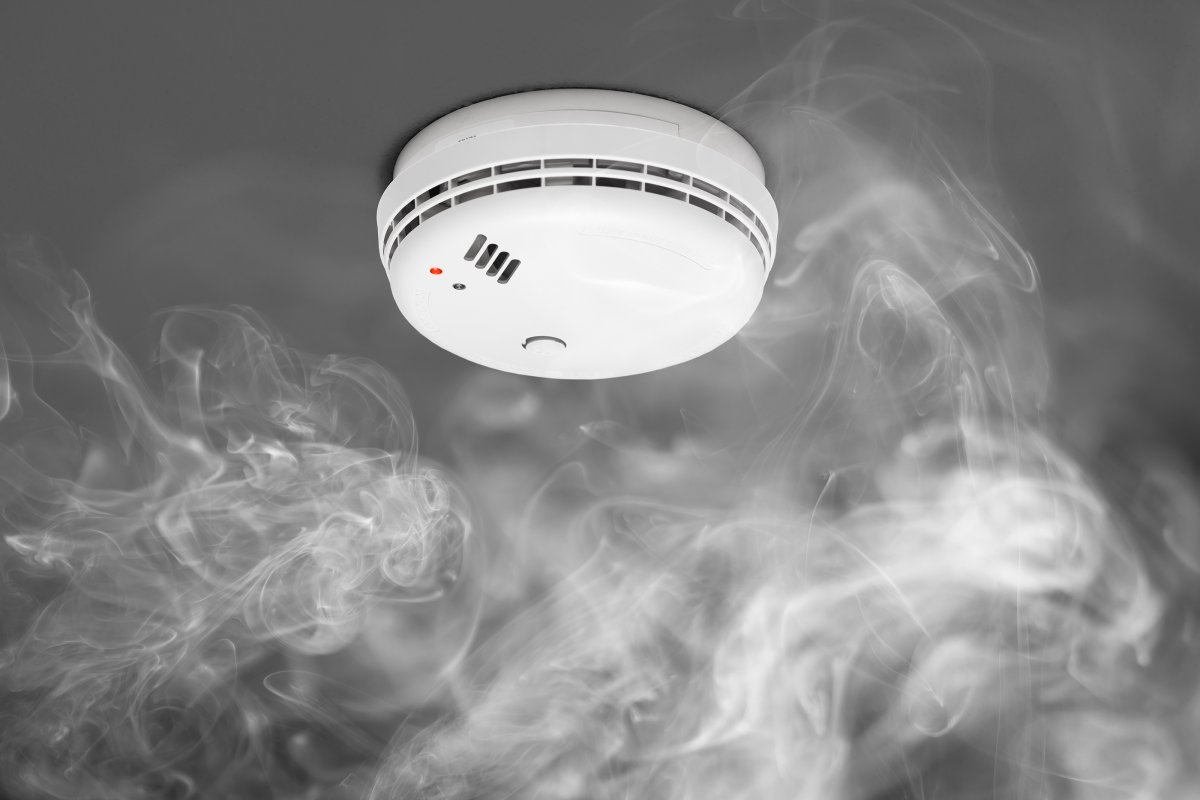
Here’s a question that catches most homeowners off guard: when was the last time you checked the age of your smoke detectors? If you’re living in one of Greater Binghamton’s older homes—whether it’s a 1960s Colonial in Endwell or a postwar bungalow in Johnson City—your smoke and carbon monoxide (CO) detectors may be well past their useful life. Most homeowners assume that if the green light is on, everything is fine. Unfortunately, that’s not always the case.
Smoke detectors have a lifespan of about 10 years, and CO detectors typically last between 5 and 7 years. After that, the sensors degrade and become less reliable—even if the unit still chirps during a test. In this post, we’ll walk you through the warning signs that your detectors need attention, explain the difference between battery-operated and hardwired systems, and help you understand why professional installation makes a real difference for your family’s safety.
Why Aging Detectors Are a Bigger Risk Than You Think
Smoke and CO detectors don’t last forever, even though many homeowners treat them as “set it and forget it” devices. Over time, the sensing chambers in smoke detectors collect dust, and the chemical sensors inside CO detectors wear out. A unit that’s 12 or 15 years old may still beep when you press the test button, but that only confirms the alarm circuit works—not that the sensor can actually detect smoke or carbon monoxide in time.
This matters especially during Greater Binghamton’s long heating season. Furnaces, gas water heaters, and space heaters all produce combustion byproducts, and a failing CO detector won’t catch a slow leak before symptoms appear. Carbon monoxide is odorless and colorless, which is why a properly functioning detector is your family’s first—and sometimes only—line of defense.
Battery-Operated vs. Hardwired: What’s the Difference?
Battery-operated detectors are the simplest to install, but they come with limitations. They rely entirely on batteries for power, and when those batteries die, the unit is useless until someone replaces them. It’s not uncommon for homeowners to pull the battery after a nuisance alarm and forget to put it back.
Hardwired smoke and CO detectors, on the other hand, connect directly to your home’s electrical system and include a battery backup in case of a power outage. The biggest advantage is interconnection: when one detector senses smoke or CO, every hardwired unit in the house sounds simultaneously. That means if a fire starts in the basement, the alarm in your upstairs hallway goes off too—giving your family critical extra seconds to get out safely.
New York State building codes require hardwired, interconnected smoke detectors in new construction and during major renovations. If your Vestal or Endicott home still relies on standalone battery units, upgrading to a hardwired system is one of the most impactful electrical wiring upgrades you can make. A licensed electrician can install interconnected detectors on a dedicated circuit, ensuring reliable protection on every level of your home.
Where Should Detectors Be Placed?
Proper placement is just as important as having the right type of detector. Many older homes in the Greater Binghamton area have detectors only in hallways, leaving bedrooms, kitchens, basements, and garages unprotected. Current safety guidelines recommend smoke detectors inside every bedroom, outside each sleeping area, and on every level of the home—including the basement and attic if they’re finished spaces.
Carbon monoxide detectors should be placed on each floor and near sleeping areas, but not directly next to fuel-burning appliances (which can cause false alarms). If your home has an attached garage, a CO detector nearby is especially important, since vehicle exhaust can seep into living spaces. An in-home assessment from Albrite Electric can identify gaps in your detector coverage and recommend the right placement for your home’s layout.
Signs It’s Time to Replace Your Detectors
Not sure whether your detectors are still doing their job? Here are some clear indicators it’s time for a replacement:
- The unit is more than 10 years old (check the manufacture date printed on the back).
- Frequent chirping that continues even after replacing the batteries.
- Yellow discoloration on the housing, which often indicates age-related degradation.
- The test button doesn’t produce a loud, clear alarm.
- You’ve had a circuit breaker upgrade or panel work without verifying that hardwired detectors are still connected and functional.
If you spot any of these signs, don’t wait. Replacing an old detector is inexpensive compared to the risk of having one that can’t do its job. And if your home still has two-prong outlets or other signs of older wiring, it’s worth scheduling a broader evaluation of your home’s electrical system at the same time.
Why Professional Installation Matters
Installing a battery-operated smoke detector is a simple DIY task. But upgrading to a hardwired, interconnected system involves working with your home’s wiring, running new circuits, and ensuring everything meets New York State electrical codes. That’s a job for a licensed electrician.
At Albrite Electric, we’ve been helping Greater Binghamton families with critical safety upgrades since 1999. When we install hardwired detectors, we make sure they’re properly interconnected, correctly placed, and tied into your electrical panel with clean, code-compliant wiring. We also take the time to walk you through the system so you understand how it works and how to maintain it—because we believe an informed homeowner is a safer homeowner.
If your home’s detectors haven’t been checked or replaced recently, or if you’re still relying on battery-only units, a professional upgrade is one of the most affordable ways to protect your family. Pair it with childproofing your electrical system and installing GFCI outlets in wet areas, and you’ll have a home that’s genuinely ready for whatever comes next.
Protect What Matters Most
Smoke and carbon monoxide detectors are small devices that carry enormous responsibility. If yours are outdated, poorly placed, or not interconnected, your family may not have the warning they need when seconds count. The good news? Upgrading is straightforward, affordable, and something our team handles every day.
Ready to make sure your home’s detectors are up to the task? Give Albrite Electric a call at (607) 748-2105 or request your free estimate online. We’ll take a look at what you have, recommend what you need, and make sure your family is protected—safely, professionally, and up to code.