

Extension Cords and Power Strips: The Hidden Electrical Hazard in Almost Every Binghamton Home
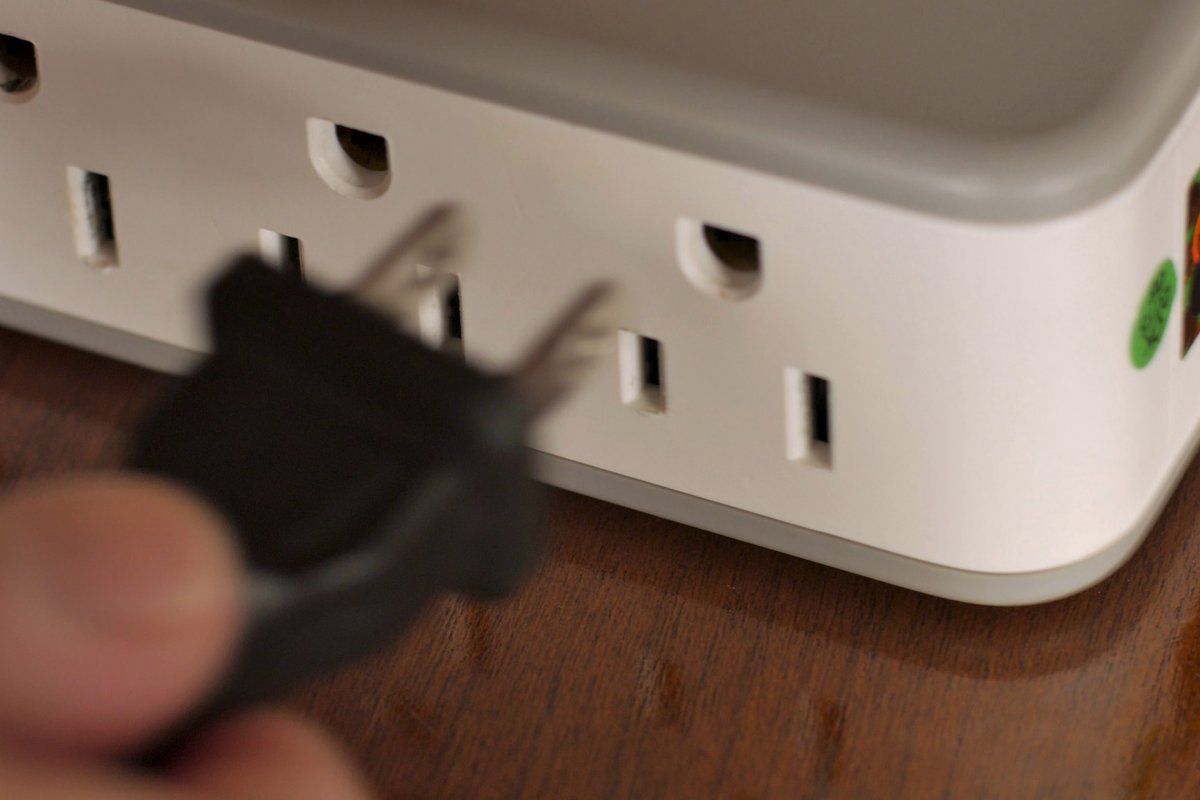
Walk through almost any home in the Greater Binghamton area and you’ll find them: extension cords running under rugs, power strips stacked three deep behind entertainment centers, and orange construction cords stretched across rooms because there just aren’t enough outlets where you need them. It’s one of those things that feels harmless because everyone does it — but according to the U.S. Consumer Product Safety Commission, extension cords are involved in an estimated 3,300 residential fires per year nationwide.
The truth is that extension cords and power strips aren’t solutions — they’re temporary workarounds for a real problem: not enough outlets in the right places. In older Greater Binghamton homes built in the 1940s, 50s, and 60s, the original electrical systems were designed for a fraction of the devices we use today, and homeowners have been compensating with extension cords ever since.
This post covers why extension cords and power strips create fire and shock hazards, which habits are the most dangerous, and what the right permanent fix actually looks like.
Why Extension Cords Are a Temporary Tool, Not a Permanent Solution
Extension cords are designed for occasional, temporary use — running a power tool to a worksite, setting up holiday decorations for a few weeks, or reaching an outlet for a lamp during a furniture rearrangement. They are not designed to be permanently plugged in, run under carpet, tucked behind furniture, or used as a substitute for a properly wired outlet.
The core problem is that extension cords have a wattage limit, and most homeowners have no idea what it is. A lightweight 16-gauge extension cord — the thin, inexpensive kind sold everywhere — is typically rated for around 1,000–1,200 watts. Plug a space heater into it (typically 1,500 watts) and you’ve already exceeded the cord’s rating. The cord heats up, the insulation degrades, and you have a fire waiting to happen. Running that same cord under a rug traps the heat and makes the problem dramatically worse.
Even cords used within their ratings degrade over time. The plastic insulation cracks, the internal wires can break from repeated bending and foot traffic, and connection points loosen. An old, worn extension cord that looks fine on the outside may have significant internal damage. Signs of a damaged cord include warm spots along the length, discoloration, a cracked or brittle jacket, or a plug that feels warm after a short period of use.
The Power Strip Problem: Not All Surge Protectors Are Created Equal
Power strips have become the default solution for homes without enough outlets, and in low-demand situations they’re acceptable. But there are several common misuses that create significant hazards.
Daisy-chaining power strips — plugging one power strip into another — is one of the most dangerous things you can do with household electrical equipment. Each strip has a total wattage rating, and when you chain them together, you can easily exceed the capacity of the first strip without any individual strip showing signs of being overloaded. This is a leading cause of electrical fires in home entertainment setups.
Using power strips for high-draw appliances like space heaters, window air conditioners, refrigerators, and microwaves is also a significant risk. These appliances should always be plugged directly into a wall outlet on their own circuit — ideally a dedicated circuit designed for that specific load. A power strip simply isn’t built to safely handle sustained high draws from these devices.
Confusing a basic power strip with a surge protector is another common issue. Many inexpensive power strips offer no surge protection at all — they just add outlets. Even those labeled as surge protectors vary enormously in quality, and all surge-protecting power strips eventually lose their protective capacity after absorbing surges. For genuine whole-home protection, especially in Greater Binghamton where summer thunderstorms can cause significant voltage spikes, whole-house surge protection installed at the panel is a far more reliable solution.
The Habits That Create the Most Risk
A few specific practices account for the majority of extension cord and power strip related fire hazards in residential homes. If you’re doing any of the following, it’s worth addressing sooner rather than later:
- Running extension cords under rugs, carpet runners, or furniture where heat can’t escape and damage goes unnoticed
- Using extension cords in wet or damp areas like bathrooms, kitchens, garages, or basements without GFCI protection
- Plugging space heaters, window AC units, or other high-wattage appliances into extension cords or power strips
- Using outdoor extension cords indoors (or indoor cords outdoors)
- Daisy-chaining multiple power strips together behind entertainment centers or desks
- Using old, cracked, or previously repaired extension cords with electrical tape patching damaged insulation
The Right Fix: More Outlets Where You Need Them
The permanent solution to extension cord dependency is adding properly wired outlets where you actually need them. This is one of the most common and straightforward electrical upgrades a licensed electrician performs, and the results eliminate the need for extension cords entirely in most rooms.
For living rooms and entertainment spaces, adding additional wall outlets — or strategically placed floor outlets — means your devices plug directly into properly wired, protected circuits. For kitchens and home offices with heavy electrical loads, dedicated circuits ensure that high-draw appliances aren’t competing with other loads on the same circuit. Our outlet installation service covers everything from adding single outlets in problem areas to comprehensive room rewiring for older homes that never had enough receptacles to begin with.
If your home still has two-prong ungrounded outlets in many rooms, this is also a good time to address that — adding outlets and upgrading existing ones to grounded three-prong receptacles in one project. Read our post on two-prong outlet conversion for more on that topic.
For garages, workshops, and outdoor areas where extension cords are heavily used, adding dedicated circuits with properly rated outlets eliminates the need for the long cords that typically create the most hazards. Garage outlet installation and outdoor outlet work are services our team handles regularly throughout Greater Binghamton.
When to Call a Professional
Adding new outlets and circuits requires proper permits, the correct wire gauge and breaker sizing for the intended load, and work inside your electrical panel — all of which are licensed electrician territory. The cost of properly wired outlets is far less than most homeowners expect, and far less than the cost of an electrical fire or a damaged appliance from an overloaded circuit. If you’re regularly relying on extension cords and power strips to get by, it’s time for a conversation with a licensed electrician about what a practical outlet upgrade would look like for your home. A home electrical inspection can identify all the areas where your home’s outlet coverage falls short of current needs.
The most obvious sign is heat — if the cord feels warm along its length or the plug feels warm when you touch it after a period of use, the cord is likely operating at or above its rated capacity. Other warning signs include a burning or plastic smell near the cord, discoloration at the plug or outlet, or flickering in the devices plugged into it. If you notice any of these, unplug the cord immediately and replace it — but more importantly, take it as a signal that you need a permanent outlet solution. Our outlet installation team can provide a free estimate for adding outlets in problem areas.
No — this is one of the most hazardous extension cord practices in residential homes. Running a cord under carpet or a rug traps heat, prevents any visual inspection of the cord for damage, and creates a situation where repeated foot traffic can break the internal wires without the outer jacket showing obvious damage. The National Electrical Code specifically prohibits using extension cords as permanent wiring, and running them under floor coverings is a clear violation of that principle. If you need power in a location that currently requires running a cord across a floor, the right answer is adding an outlet — including floor outlets in open room areas where appropriate.
No. Space heaters draw 1,500 watts or more on high settings — a sustained, high current draw that power strips aren’t designed to handle safely over time. Space heaters should always be plugged directly into a wall outlet, and ideally into an outlet on a circuit that isn’t shared with other significant loads. If you’re regularly relying on a space heater in a room that lacks convenient wall outlets, adding a properly wired outlet — or a dedicated circuit — is the right long-term solution. The same rule applies to window air conditioners, mini-fridges, and other sustained-load appliances.
The cost of adding outlets varies based on how many you need, where they need to go, and how accessible the wiring in your walls is. In many cases, adding one or two outlets to a room is a straightforward job that costs less than homeowners typically expect — and far less than the cost of a fire or damaged electronics. The best way to get an accurate number is to request a free estimate. We provide transparent, itemized quotes so you know exactly what’s involved before work begins. Call us at (607) 748-2105 or schedule your estimate online.
Heavier-gauge cords (12-gauge or 10-gauge) can safely handle more current than lightweight 16-gauge cords, and they’re appropriate for higher-draw tools and appliances used temporarily. However, even the highest-quality extension cord is not a substitute for permanent wiring — the National Electrical Code doesn’t permit extension cords as a replacement for fixed wiring, regardless of quality. If you need power in a specific location regularly, a properly wired outlet is always the right answer. Our spring electrical maintenance checklist includes a walk-through of exactly these kinds of issues to address each year.
Extension cords and power strips are a fact of life in most homes, but they don’t have to be a permanent fixture. Adding the outlets you actually need is a straightforward electrical upgrade that eliminates the hazard and makes your home more functional at the same time. Call Albrite Electric at (607) 748-2105 or request your free estimate online. We serve Endicott, Binghamton, Johnson City, Vestal, Endwell, and the entire Greater Binghamton area — and we’re happy to help you find a permanent solution to the extension cord problem.