Thinking About Solar in Upstate New York? What's Realistic, What Isn't, and Why Solar Alone Won't Keep the Lights On
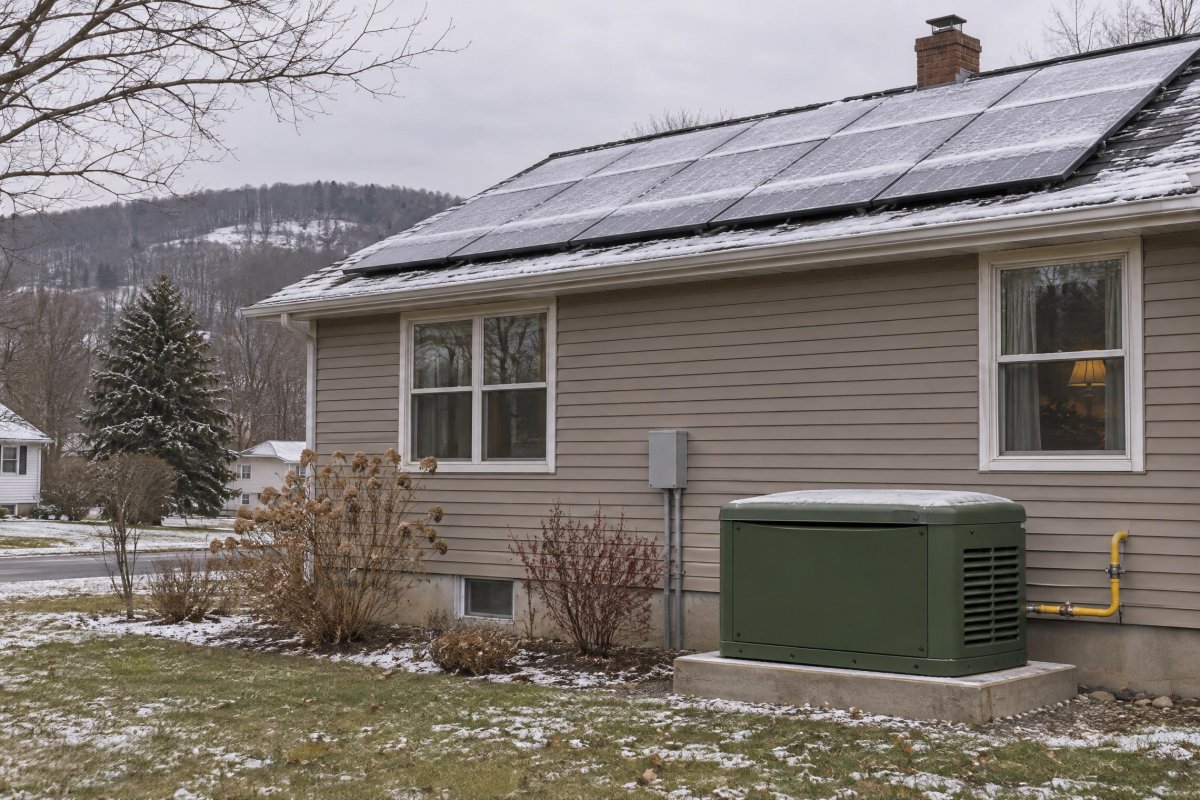
The solar pitch usually sounds great: lower electric bills, clean power, and panels that pay for themselves over time. Then an ice storm takes down lines on a January night, and the neighbor with a rooftop array is sitting in the dark just like everyone else.
At Albrite Electric, we connect solar systems and install Generac standby generators, so we see both sides of this conversation. We are not here to talk you out of solar. We are here to tell you what it can and cannot do in the Southern Tier, so you can plan with your eyes open. If you are in Binghamton, Vestal, or anywhere nearby, this is the straight talk we would want before signing a contract.
We have been a family owned electrical contractor since 1999, and honest advice is how we have earned it. Here is what you need to know.
What Solar Does Well in the Southern Tier
Solar can reduce how much electricity you buy from NYSEG, and a well designed system can deliver value for many years. Summer production is strong, and for many homeowners the appeal is long term bill control and cleaner energy.
Incentives have shifted recently, so check before you commit. The federal residential solar tax credit ended for systems placed in service after December 31, 2025. New York has offered a state income tax credit of 25 percent of system cost, capped at $5,000, and NYSERDA runs its own programs. Details and funding change, so confirm current numbers with NYSERDA and a tax professional. For the electrical side, read our earlier post on what happens to your home’s electrical system before solar.
What’s Realistic Here (and What Isn’t)
Upstate New York is not Arizona, and any honest installer should say so. Keep these realities in mind:
- Winter output drops. Short days, a low sun angle, and snow cover mean far less production in December and January than in July.
- Cloud cover is real. Our region has plenty of gray days, so production varies more than a simple calculator suggests.
- Your roof matters. Direction, pitch, and shade from mature trees can swing results a lot.
- Savings depend on you. Your usage, roof, system price, and incentives all shape the payback. Be wary of any quote that promises exact savings without reviewing your bills and your roof.
Your electrical system matters too. Some homes need panel work first, so an electrical panel upgrade and a load calculation are worth discussing early.
Why Solar Alone Will Not Power Your Home in an Outage
This is the part many homeowners are surprised by. A standard grid tied solar system shuts itself off automatically when the grid goes down. This is a required safety feature, called anti islanding, that protects utility crews from live power flowing into lines they believe are dead. It is not a defect, and it cannot be switched off.
So in a winter storm, your panels may be covered in snow and your inverter is off by design. Solar lowers your bill on normal days. It does not, by itself, keep your furnace blower, refrigerator, and sump pump running when the lines are down.
Your Backup Options for Outages
If outages worry you, there are two main ways to close the gap:
- Battery storage: Quiet, instant, and fuel free. Capacity is limited, so a battery typically covers selected circuits for a set number of hours, and recharging in winter depends on available sun. Battery systems are usually installed through your solar provider.
- Standby generator: Runs on natural gas or propane and keeps going as long as fuel is supplied, which matters in multi day ice storms. See our guides on natural gas vs. propane generators and generator sizing.
A Generac home standby generator senses an outage, starts on its own within seconds, and transfers power through an automatic transfer switch, whether you are home or away. Our Generac buying guide answers the questions first time buyers ask, and our whole house generator installation page explains the process.
Some homeowners choose both, solar for everyday savings and a generator for long outages. The key is designing them together so everything works safely.
When to Call a Professional
Talk with a licensed electrician before you sign a solar contract, especially if your panel is older or full. Call us too if you already have solar and want outage protection, or if you are weighing a generator and are not sure what size you need. Never connect a generator to your home through a regular outlet. It requires a properly installed transfer switch.
Whether you are in Binghamton or Vestal, you can learn why homeowners choose Albrite Electric for honest, code compliant work.
Common Questions About Solar and Backup Power
Solar and backup power are not competitors. They solve different problems, and knowing the difference is the best way to protect your budget and your family. If you want help sorting out which setup makes sense for your home, call Albrite Electric at (607) 748-2105 or request an estimate online.
Serving Binghamton, Vestal, and the surrounding Southern Tier with pride and professionalism. Call (607) 748-2105 today.