

Thinking About Solar? Here's What Happens to Your Home's Electrical System First
More homeowners across the Greater Binghamton area are looking into solar power every year, and it's easy to see why. Rising NYSEG rates, a growing interest in energy independence, and improving panel technology have made solar feel less like a luxury and more like a smart long-term investment. But before a single solar panel goes on your roof, your home's electrical system has to be ready to receive that power safely.
Solar installers handle the panels themselves, but the connection between those panels and your home's electrical system is a different story. That's where a licensed electrician comes in. At Albrite Electric, we've spent over 25 years helping Southern Tier homeowners in Vestal, Endwell, and beyond prepare their homes for major electrical upgrades, and solar interconnection is one of the most misunderstood parts of the process.
In this guide, we'll walk through what actually happens to your home's wiring, panel, and meter when you go solar, and why getting this step right matters just as much as the panels on your roof.
Why Solar Isn't Just a Roofing Project
It's a common misconception that solar panels simply plug into your home and start powering your appliances. In reality, solar energy has to be converted, regulated, and safely integrated into your home's existing electrical system before it can do anything useful. That process touches several parts of your home:
- The main electrical panel, which may need additional breaker space or a full panel upgrade
- The service wiring between your panel and the utility meter
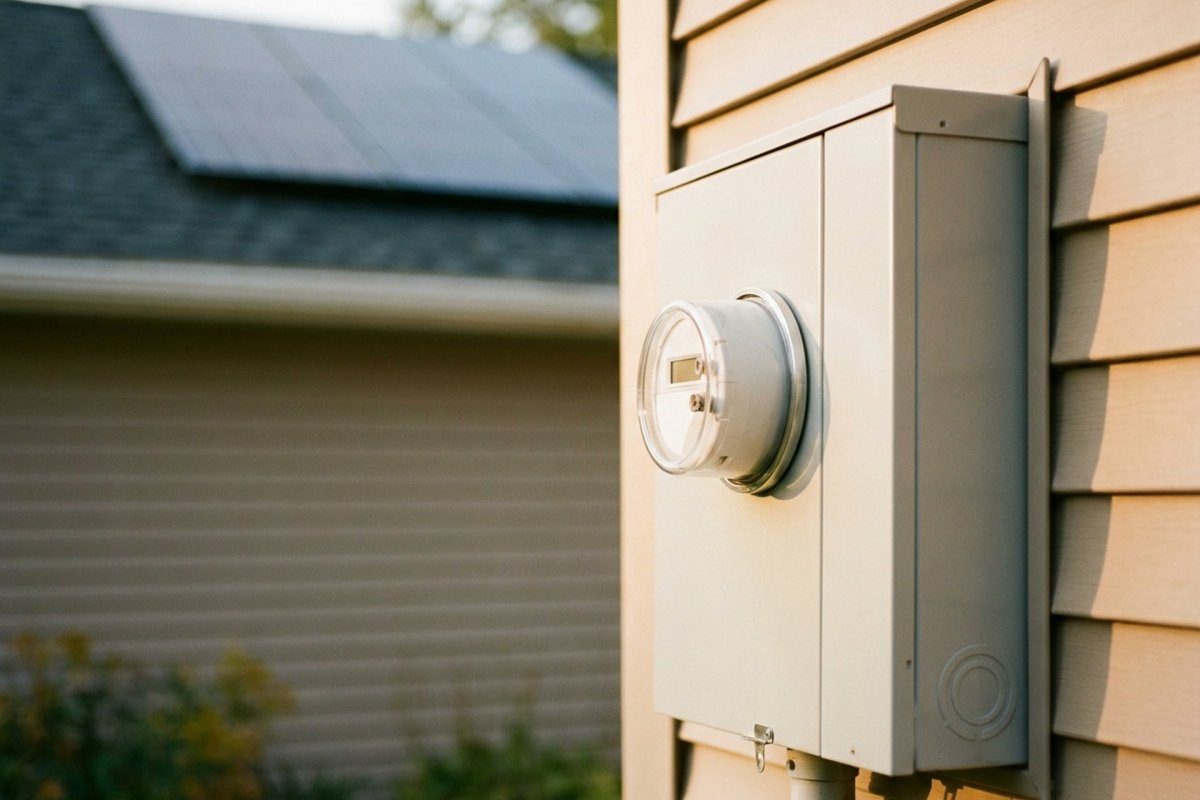
- Your electric meter, which NYSEG may need to replace with a bidirectional model
- Grounding and bonding, which must meet current code for any new power source tied to your home
Skipping a proper electrical assessment before installation is one of the most common (and costly) mistakes homeowners make when going solar.
The Role of a Load Calculation
Before any solar interconnection work begins, a licensed electrician should perform a load calculation on your home. This tells us how much power your home actually uses and whether your existing panel and service size can safely handle a new solar connection alongside everything else running in your home, from your AC to your dedicated appliance circuits.
Many older homes in Binghamton, Endwell, and Johnson City were built with 100-amp electrical services that were perfectly adequate decades ago but can struggle to accommodate solar interconnection plus modern electrical demands. If your load calculation shows your panel is maxed out, you'll likely need an electrical and meter upgrade before your solar installer can move forward. Our guide to understanding your electrical panel is a helpful starting point if you're not sure what your current setup can handle.
Panel Upgrades and Interconnection Requirements
Most solar interconnections require what's called a "load side" or "line side" tap into your electrical panel, along with a dedicated breaker sized specifically for your solar inverter. If your panel doesn't have available breaker space, or if it's an older fuse box or outdated panel brand no longer considered safe for modern loads, upgrading it isn't optional. It's a code requirement.
This is also a good moment to consider broader wiring upgrades if your home hasn't had one in a while. Since your electrician will already be inside your panel, it's often more cost-effective to address any aging wiring, missing grounding, or outdated breakers at the same time rather than as a separate project down the road. Homeowners planning ahead often ask about adding an EV charging station at the same time, since both projects draw on similar panel capacity.
Working With NYSEG and Your Solar Installer
Interconnecting solar to your home also means coordinating with NYSEG, which typically requires an inspection and often a meter swap to a bidirectional model that can track energy you send back to the grid. Your electrician handles the permitting and inspection process on the home's side, while your solar installer manages the panel array itself. Homeowners sometimes assume their solar company handles everything, but the electrical work behind the meter is a separate, licensed scope of work. You can review NYSEG's interconnection and rebate information for a better sense of what the utility side of the process looks like.
When to Call a Professional
If you're getting quotes for solar and haven't yet had an electrical assessment, that's your first call, not your last. A licensed electrician should be involved before you sign a solar contract so you know upfront whether your panel needs upgrading and what that will add to your project's total cost and timeline. This is especially true if your home is older, has less than 150-amp service, or has never had a full electrical inspection.
It's also worth having your electrician assess whether whole-house surge protection makes sense as part of the project, since solar inverters and monitoring equipment are sensitive electronics that benefit from that added layer of protection.
Powering Your Home's Future the Right Way
Going solar is a meaningful investment in your home and your energy bill, and getting the electrical groundwork right from the start protects that investment. A proper load calculation, a panel that's actually ready for the job, and correct interconnection work are what stand between a smooth solar installation and months of delays or costly rework.
If you're considering solar for your Vestal, Endwell, or Greater Binghamton home, our team at Albrite Electric can assess your current panel and wiring and let you know exactly what your home needs before you move forward. Read what other homeowners have said about working with us on our testimonials page, or learn more about why homeowners choose Albrite Electric. Call us today at (607) 748-2105 or request a free estimate online. We'll make sure your home's electrical system is ready to make the most of the sun.