

Natural Gas vs. Propane Generators: Which Fuel Source Is Right for Your Binghamton-Area Home?
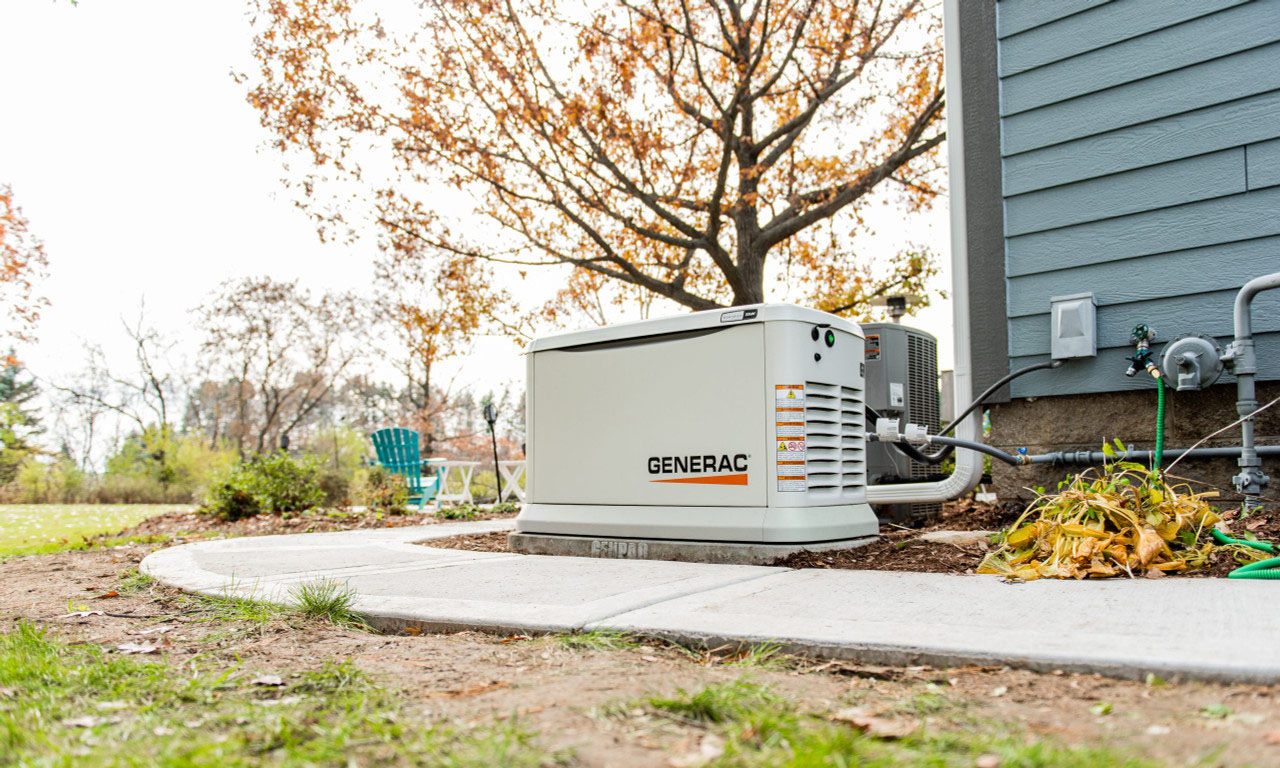
Once you've decided to invest in a whole house generator, one of the most important choices you'll face has nothing to do with wattage or brand — it's about fuel. Should you go with natural gas or propane? The answer depends on where you live, how your property is set up, and what matters most to you in terms of convenience, cost, and reliability.
For homeowners across the Greater Binghamton area, this decision carries real practical weight. Some neighborhoods in Vestal, Endwell, and Johnson City have easy access to natural gas lines, while many properties in more rural parts of Broome and Tioga counties rely on propane for heating and appliances. Understanding the strengths and trade-offs of each fuel type will help you choose the option that makes the most sense for your home. Let's break it down.
Natural Gas Generators: The Basics
Natural gas is often the preferred fuel choice for homeowners who already have a gas line running to their property. A Generac standby generator connected to your existing natural gas supply offers one major advantage right out of the gate: you'll never need to worry about refueling. As long as your utility provides gas service, your generator has an essentially unlimited fuel supply. That's a significant benefit during extended outages, where a multi-day storm could leave you without power for a week or more.
Natural gas also tends to burn cleaner than other fossil fuels, producing fewer emissions and less residue in the engine over time. This can translate to lower maintenance costs and longer engine life. And because there's no on-site fuel tank to install or maintain, the overall footprint of your generator setup stays compact — something that matters on smaller lots common in Binghamton, Endicott, and other densely built neighborhoods.
There are a few things to keep in mind, though. Natural gas is delivered at a set pressure by your utility, and that pressure can occasionally drop during periods of extremely high demand — for example, during a widespread winter storm when everyone's furnace is running full blast. A qualified electrician will check your line pressure during the site assessment to ensure it's sufficient for your generator's requirements. It's also worth noting that natural gas has a slightly lower energy density than propane, meaning a natural gas generator may produce marginally less output per unit of fuel consumed. In practice, however, this difference is minimal for most residential applications.
Propane Generators: The Basics
Propane is the go-to fuel option for homes that don't have access to a natural gas line — and that includes a significant number of properties in the more rural areas surrounding Binghamton, such as parts of Owego and the broader surrounding service area. Propane is stored in a pressurized tank on your property, typically either a 250-gallon or 500-gallon unit installed above or below ground.
One of propane's biggest strengths is its long shelf life. Unlike gasoline or diesel, propane doesn't degrade over time. It can sit in your tank for months — or even years — without losing its effectiveness. That's ideal for a generator that might only run a handful of times per year. Propane also delivers slightly more energy per unit than natural gas, which means your generator can produce a bit more power from the same volume of fuel.
The trade-off is that propane requires periodic refills. During a prolonged outage, you'll need to monitor your tank level and coordinate with a delivery service if it runs low. Most homeowners find that a 500-gallon tank provides several days of continuous runtime, but the exact duration depends on the size of your generator and how much of your home you're powering. Planning ahead — especially before Binghamton's winter storm season — helps ensure you're never caught short. Your electrician can help you determine the right tank size during the consultation and estimate process.
Comparing Cost: Installation and Ongoing Expenses
From an installation standpoint, natural gas hookups are generally less expensive if your home already has a gas meter and service line in place. The installer simply extends a line from your existing gas supply to the generator — a relatively straightforward job. Propane installations involve additional costs for the storage tank, delivery setup, and potentially excavation if you opt for an underground tank.
On the ongoing cost side, natural gas tends to be less expensive per unit of energy in the Greater Binghamton area, thanks to relatively stable utility rates from providers like NYSEG. Propane prices, on the other hand, can fluctuate seasonally — they tend to spike in winter when demand for heating fuel is highest. That said, because generators typically only run during outages, the annual fuel cost for either option is usually modest compared to the initial investment in the equipment and installation.
Regardless of which fuel you choose, keeping up with routine generator maintenance is the best way to control long-term costs and extend the life of your system.
Which Option Is Best for Your Home?
In most cases, the decision comes down to availability and practicality. Here's a quick way to think about it:
- Choose natural gas if your home already has a gas line, you want unlimited runtime without worrying about refueling, and you prefer a lower-maintenance setup.
- Choose propane if natural gas isn't available in your area, you want fuel that won't degrade during long periods of non-use, or you prefer energy independence from the utility grid.
It's also worth considering your home's overall energy picture. If you're thinking about an electrical panel upgrade or other improvements to handle modern power demands, your electrician can factor the generator fuel choice into a broader plan for your home's electrical system. And if you're curious about how a generator fits into your budget long-term, our post on how a home backup generator can pay for itself over time is worth a read.
When to Call Albrite Electric
Choosing between natural gas and propane doesn't have to be a guessing game. The best approach is to have a knowledgeable, local electrician evaluate your property, review your fuel options, and recommend the setup that delivers the most reliable backup power for your specific situation. As an authorized Generac dealer, Albrite Electric installs generators configured for both fuel types and can walk you through the pros and cons based on your home's location and infrastructure.
We've been helping Greater Binghamton homeowners protect their homes since 1999, and we're happy to answer any questions — whether you're just starting to explore the idea of backup power or you're ready to move forward with an installation. Call Albrite Electric today at (607) 748-2105 or request your free estimate online. We'll help you make the right choice for your home and your budget.