

Why Your Home Needs Whole-House Surge Protection Before Storm Season Hits
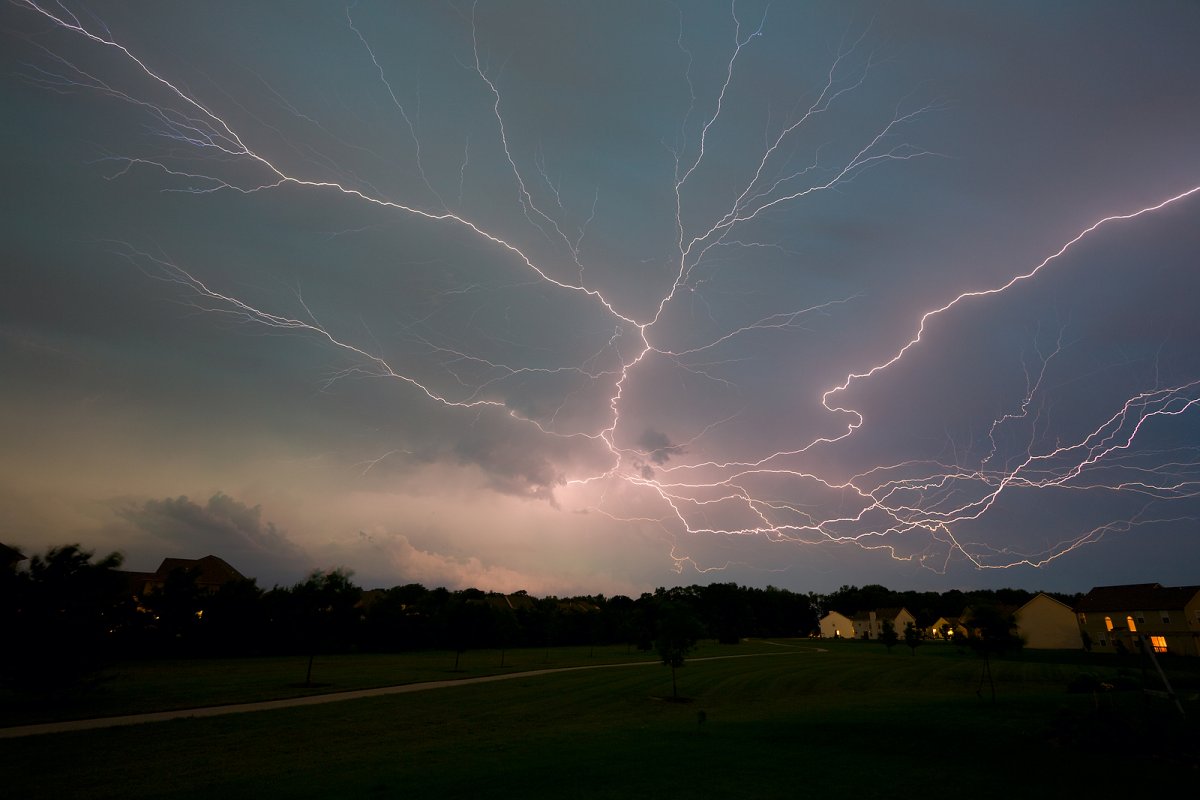
Picture a late-May afternoon in the Southern Tier. The sky turns that familiar shade of green-gray, the thunder starts rolling in from the west, and within minutes you’re in the middle of a full-blown electrical storm. Lightning strikes a utility pole on your street, and even though the power only flickers for half a second, your smart TV goes dark, the router shows error lights, and your refrigerator starts making a sound it never made before. By morning, you’re looking at hundreds or thousands of dollars in damaged electronics — from a surge that lasted less than a second.
This scenario plays out in homes across Binghamton, Vestal, Endicott, and the surrounding communities every spring and summer. Power surges — whether from lightning strikes, utility grid switching, or the starting and stopping of large appliances — are one of the most underestimated threats to the electronics and appliances in a modern home. And unlike a fire or a flood, a power surge leaves no visible damage until the moment something stops working.
Whole-house surge protection is one of the most cost-effective electrical upgrades available to homeowners, and spring — before storm season is fully underway — is exactly the right time to have it installed.
What a Power Surge Actually Does to Your Home
A power surge is a brief, dramatic spike in voltage above the normal 120-volt level that your home’s devices are designed to handle. Surges can last anywhere from a fraction of a millisecond to a few seconds. Even the smallest surges — the kind you’d never notice — can cause cumulative damage to electronics over time, slowly degrading circuit boards and microprocessors until devices begin to malfunction or fail entirely.
The larger surges, like those caused by a nearby lightning strike or a significant grid event, can destroy electronics outright in a single event. Modern homes are especially vulnerable because nearly every major system now contains sensitive electronics: your HVAC unit, your refrigerator, your washer and dryer, your home theater equipment, your smart home devices, your EV charger, and even your standby generator’s control systems. The cumulative replacement value of all those components easily runs into the tens of thousands of dollars.
NYSEG’s own guidance to customers acknowledges that power disturbances — including surges — are a regular occurrence on the distribution grid, and that homeowners are responsible for protecting their own equipment from those disturbances. Check NYSEG’s website for their current guidance on power quality and what customers can do to protect their homes.
Power Strips Are Not Enough
This is the most important thing to understand about surge protection: the power strip with a surge protector built in that you plugged your entertainment system into is not protecting your home. It’s a point-of-use device that protects only the items directly plugged into it — and even then, its protection degrades with every surge it absorbs. Most inexpensive power strip surge protectors have a limited “joule rating,” meaning they can only absorb a finite amount of surge energy before they stop protecting anything at all, often without any visible indication that they’ve been compromised.
More importantly, point-of-use strips do nothing to protect hardwired devices like your HVAC system, your oven, your well pump (if you have one), your garage door opener, or any appliance that plugs directly into a wall outlet rather than through a surge-protected strip. They also don’t protect the wiring in your walls, which can be damaged by large surges.
A whole-house surge protector is installed at or near your main electrical panel, where it intercepts surge energy before it can travel through your home’s circuits. It acts as a first line of defense for your entire home — every outlet, every hardwired appliance, every circuit — rather than just the few things you have plugged into a strip.
What’s at Stake in a Greater Binghamton Home
Think through the electronics and appliances in your home that you’d have to replace after a serious surge event:
- Smart TVs, gaming consoles, home theater receivers, and streaming devices
- Computers, laptops, and home office equipment
- Refrigerator, dishwasher, and washer/dryer (all with electronic control boards in modern units)
- HVAC system — a control board replacement alone can cost $500 or more
- Smart home devices: thermostats, smart speakers, security cameras, video doorbells
- An EV charging station, if you have one installed
- A whole-house generator’s electronic control system
For homeowners like those in Vestal’s newer developments or the custom homes throughout the area who have invested heavily in smart home technology and premium appliances, the exposure is especially high. As we noted in our post on how surge protection can protect your home and save you money, a professionally installed whole-house surge protector typically costs a fraction of what a single appliance replacement would cost — and it protects everything in your home simultaneously.
Surge Protection and Your Generator
If you have a Generac whole-house generator, there’s an additional reason to consider surge protection. Generator power, while reliable, can have minor voltage fluctuations as the system responds to changing loads in your home. Whole-house surge protection at the panel level helps ensure that your sensitive electronics are protected not just during utility outages, but also during the transition between utility and generator power.
For homeowners who have invested in a standby generator system for whole-home backup power, adding surge protection is a natural complement that helps protect that investment. Between spring storms, summer heat, and the general unpredictability of utility power, it’s a layer of insurance that’s hard to argue against.
When to Call a Professional
Whole-house surge protector installation is a job for a licensed electrician. The device connects directly to your main panel — work that involves exposure to your home’s full electrical service, which is not safe for homeowners to attempt on their own. The installation itself is relatively quick and straightforward for a professional electrician, and it pairs well with any scheduled electrical work like a panel or circuit breaker upgrade.
At Albrite Electric, we’ve been helping homeowners throughout Greater Binghamton protect their homes since 1999. We’ll recommend the right surge protection solution for your home’s size and electrical setup, install it properly, and make sure it’s working before we leave. Read what our customers say on our testimonials page, or learn more about our electrical upgrade services.
Don’t wait for a storm to remind you that you needed surge protection. Call us at (607) 748-2105 or request a free estimate online. We’re serving Binghamton, Vestal, Endwell, Johnson City, Endicott, Owego, and communities throughout the Southern Tier — and we’re here to help you protect everything in your home before the next storm rolls in.