

What Happens During a Home Electrical Inspection (and Why Every Homeowner Should Schedule One)
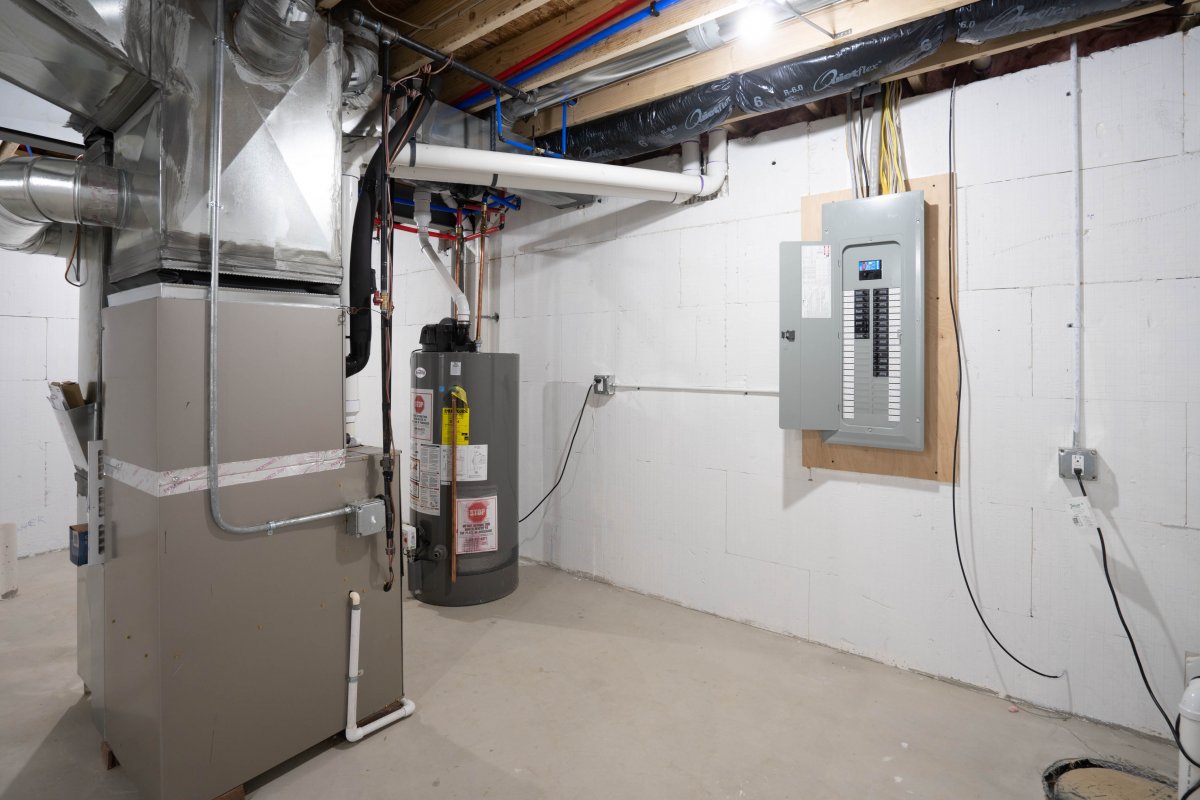
If you’ve never had your home’s electrical system professionally inspected, you’re not alone. Most homeowners don’t think about the wiring behind their walls until something goes wrong—a breaker that keeps tripping, an outlet that feels warm to the touch, or lights that flicker for no obvious reason. But by the time those symptoms show up, the underlying issue may have been building for years.
A home electrical inspection takes the guesswork out of the equation. It’s a systematic evaluation of your entire electrical system, from the panel to the outlets, performed by a licensed electrician who knows exactly what to look for. Whether you’re buying a home in Johnson City, renovating a property in Endicott, or simply want peace of mind about your Vestal home’s safety, an inspection is one of the smartest investments you can make. Here’s what to expect.
What Does an Electrician Actually Check?
A thorough home electrical inspection covers every major component of your electrical system. While the specific scope can vary depending on the age and size of your home, here’s what a typical inspection includes:
- Electrical panel: The electrician examines your main panel for signs of wear, corrosion, overheating, or outdated components. Panels with Federal Pacific or Zinsco breakers, for example, are known safety hazards that warrant immediate attention.
- Wiring condition: Inspectors look for outdated or deteriorating wiring—including aluminum wiring, knob and tube systems, or cloth-insulated wiring that has degraded over time.
- Outlets and switches: Every accessible outlet and switch is tested for proper grounding, polarity, and secure connections. Loose outlets, missing covers, and ungrounded receptacles are all flagged.
- GFCI and AFCI protection: The electrician verifies that GFCI and AFCI protection is installed where required by code—including bathrooms, kitchens, garages, outdoor areas, and bedrooms.
- Smoke and CO detectors: Placement, age, and functionality of smoke and carbon monoxide detectors are reviewed to ensure they meet current safety standards.
- Grounding and bonding: The home’s grounding system is checked to make sure it can safely divert stray electrical current, protecting both people and equipment.
After the inspection, you’ll receive a clear summary of findings—what’s in good shape, what needs attention now, and what you might want to plan for down the road.
When Should You Get an Electrical Inspection?
There are several situations where an electrical inspection is especially important. If any of these apply to you, it’s worth scheduling one sooner rather than later:
You’re buying or selling a home. A pre-purchase electrical inspection can reveal hidden problems that a general home inspection might miss. For sellers, addressing electrical issues before listing can prevent deal-breaking surprises and strengthen buyer confidence. Many home sales in the Greater Binghamton area involve properties built in the 1940s through 1970s, which are prime candidates for outdated wiring or undersized panels.
Your home is more than 25 years old. Even well-maintained homes develop electrical wear over time. Connections loosen, insulation degrades, and panels that were adequate decades ago may no longer meet modern demands. If your home hasn’t been inspected since it was built, a professional evaluation from a trusted local electrician can identify issues before they become emergencies.
You’re planning a renovation. Adding a room, finishing a basement, or upgrading a kitchen all place new demands on your electrical system. An inspection before the project starts ensures your panel has the capacity to handle the additional load and that existing wiring in the work area is safe to build around.
You’re experiencing warning signs. Frequent tripped breakers, flickering lights, buzzing sounds from outlets, or a burning smell near switches are all reasons to get a professional involved immediately. These symptoms rarely resolve on their own and often point to issues that carry real safety risks.
What an Inspection Is Not
It’s worth clarifying that an electrical inspection is not the same as an electrical repair or upgrade. The inspection identifies problems and provides recommendations—think of it as a diagnostic visit. Once you have the findings, you can prioritize the work based on urgency and budget.
Many homeowners find it helpful to think of inspections the way they think about annual physicals: you’re not expecting bad news, but you want to catch anything early before it becomes a bigger, more expensive problem. And for homes in the Greater Binghamton area—where cold winters, aging infrastructure, and seasonal storms put extra stress on electrical systems—regular check-ups make even more sense.
How to Prepare for Your Inspection
You don’t need to do anything complicated before an electrical inspection, but a few simple steps can help the process go smoothly:
- Make sure the electrician has clear access to your electrical panel, attic, basement, and crawl spaces.
- Note any specific concerns you’ve noticed—outlets that don’t work, lights that flicker, or breakers that trip frequently.
- Gather any documentation you have about previous electrical work, especially if wiring or panels have been updated.
- If you’re planning renovations, share those plans so the electrician can factor future needs into their assessment.
The inspection itself typically takes one to three hours depending on the size and age of your home. At Albrite Electric, we walk you through our findings in plain language—no unnecessary jargon or pressure tactics. We want you to understand your home’s electrical health and feel confident about the next steps, whether that means a simple breaker upgrade, a full wiring update, or just the reassurance that everything is working safely.
Know Your Home. Protect Your Family.
An electrical inspection is one of the most straightforward things you can do to protect your home, your family, and your investment. It replaces uncertainty with clear answers and gives you a roadmap for keeping your electrical system safe and up to code—whether your home was built last year or last century.
Ready to find out where your home stands? Contact Albrite Electric at (607) 748-2105 or schedule your inspection online. We’ve been serving homeowners across Binghamton, Vestal, Endwell, and the surrounding communities since 1999—and we’re here to make sure your home’s electrical system is as safe as it should be.