

GFCI and AFCI Outlets: The Life-Saving Electrical Protection Most Homes Are Missing
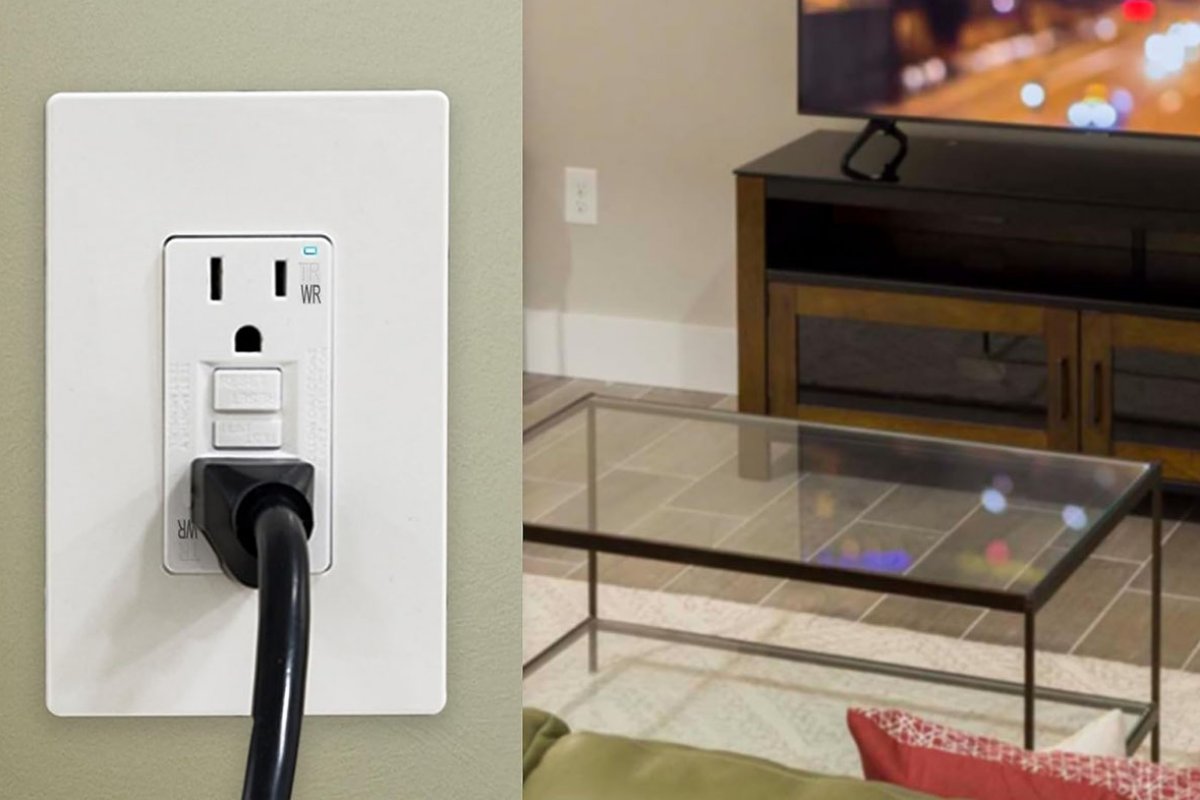
Here’s a question that catches most homeowners off guard: do you know which outlets in your home have ground fault protection—and which ones should but don’t? If you own an older home in the Greater Binghamton area, there’s a good chance your kitchen, bathrooms, or garage are missing critical safety devices that modern electrical codes now require.
GFCI and AFCI outlets are two of the most effective safeguards against electrical shock and house fires, yet many homeowners either don’t have them or don’t realize the ones they have may no longer be working properly. In this guide, we’ll break down what these devices do, where your home needs them, and how to tell if it’s time for an upgrade.
What Are GFCI Outlets and Why Do They Matter?
A GFCI (Ground Fault Circuit Interrupter) outlet is the one with the small “Test” and “Reset” buttons on its face. It monitors the flow of electricity through a circuit and instantly shuts off power if it detects even a tiny imbalance—such as current leaking through water or a person’s body. This reaction happens in as little as 1/40th of a second, fast enough to prevent a serious or fatal electrical shock.
GFCI protection is essential anywhere water and electricity might meet. New York’s electrical codes require GFCI outlets in bathrooms, kitchens (within six feet of a sink), garages, unfinished basements, laundry areas, outdoor receptacles, and crawl spaces. But if your Vestal colonial or Johnson City bungalow was built before these requirements were adopted, those rooms may still have standard unprotected outlets.
The risk is real. According to the Electrical Safety Foundation, ground faults account for hundreds of electrocutions each year in the United States. A properly functioning GFCI outlet is one of the simplest and most affordable ways to protect your family.
What Are AFCI Outlets and Breakers?
While GFCI outlets protect against shock, AFCI (Arc Fault Circuit Interrupter) devices protect against fire. An arc fault occurs when damaged, overheated, or deteriorating wiring creates an unintended electrical discharge—essentially a spark that can ignite surrounding materials like insulation, wood framing, or dust inside walls.
Arc faults are a leading cause of residential electrical fires, and they’re especially common in older homes where aging wiring has degraded over decades. Furniture pushed against cords, nails or screws driven through hidden wires during renovations, and worn outlets can all create the conditions for an arc fault.
Current National Electrical Code requires AFCI protection in virtually every living area of a home—bedrooms, living rooms, dining rooms, hallways, closets, and more. This protection is typically provided through AFCI circuit breakers installed in your electrical panel, though combination AFCI/GFCI outlets are also available for specific applications.
How to Test Your GFCI Outlets (And Why You Should Do It Monthly)
GFCI outlets don’t last forever. Industry experts recommend testing them once a month to make sure they’re still functioning correctly. The process takes about 10 seconds:
- Press the “Test” button on the outlet. You should hear a click, and any device plugged into the outlet should lose power.
- Press the “Reset” button to restore power.
- If pressing “Test” doesn’t cut the power, or if the outlet won’t reset, the GFCI has failed and needs to be replaced by a licensed electrician.
GFCI outlets manufactured before 2006 can fail in a “closed” position, meaning they still deliver power even after the protection circuit has died—giving you a false sense of security. Newer models are designed to fail “open,” cutting power entirely when the device wears out. If your home still has older GFCI outlets, upgrading them is a smart and relatively inexpensive safety improvement.
Where Your Home May Be Missing Protection
Even homes that have had some electrical updates over the years often have gaps in GFCI and AFCI coverage. Here are the most common areas we see when performing electrical inspections in the Greater Binghamton area:
- Bathrooms with only two-prong outlets: Older homes in neighborhoods like Endwell and Endicott may still have ungrounded outlets in bathrooms—a significant shock hazard. A two-to-three-prong conversion with GFCI protection solves both problems.
- Kitchen countertop outlets without GFCI: If the outlets near your sink don’t have Test/Reset buttons, they likely lack ground fault protection.
- Garage and outdoor outlets: These high-moisture areas are frequently overlooked, especially in homes where the garage was finished or enclosed after original construction.
- Bedrooms without AFCI breakers: Bedroom circuits in homes built before the early 2000s almost certainly lack arc fault protection, which is now required by code.
- Unfinished basements and laundry rooms: Both require GFCI protection but are often missed in partial electrical upgrades.
When to Call a Professional
If you’re unsure whether your home has adequate GFCI and AFCI protection—or if your outlets are failing their monthly tests—it’s time to bring in a licensed electrician. Upgrading to proper protection often involves more than simply swapping an outlet, especially in older homes where the wiring may also need attention. A qualified electrician can evaluate your electrical panel, identify which circuits need AFCI breakers, and ensure every wet-area outlet has functioning GFCI protection.
If your home still has knob and tube wiring or other outdated systems, adding GFCI and AFCI protection becomes even more critical—and more complex. These aren’t DIY projects. Incorrect installation can create new hazards or give you a false sense of security.
A Small Upgrade with a Big Impact
GFCI and AFCI protection won’t make headlines, but these quiet little devices prevent thousands of injuries and house fires every year. For homeowners in the Greater Binghamton area—especially those living in homes built before current codes were adopted—upgrading your outlets and breakers is one of the most cost-effective safety investments you can make.
Ready to find out where your home stands? Contact Albrite Electric at (607) 748-2105 or request a free estimate online. We’ll perform a thorough evaluation and help you bring your home’s electrical protection up to modern standards—safely, affordably, and up to code. Albrite Electric has been serving Southern Tier families since 1999, and your family’s safety is always our priority.