

Buying or Selling a Home in the Southern Tier? Why an Electrical Safety Inspection Protects the Deal
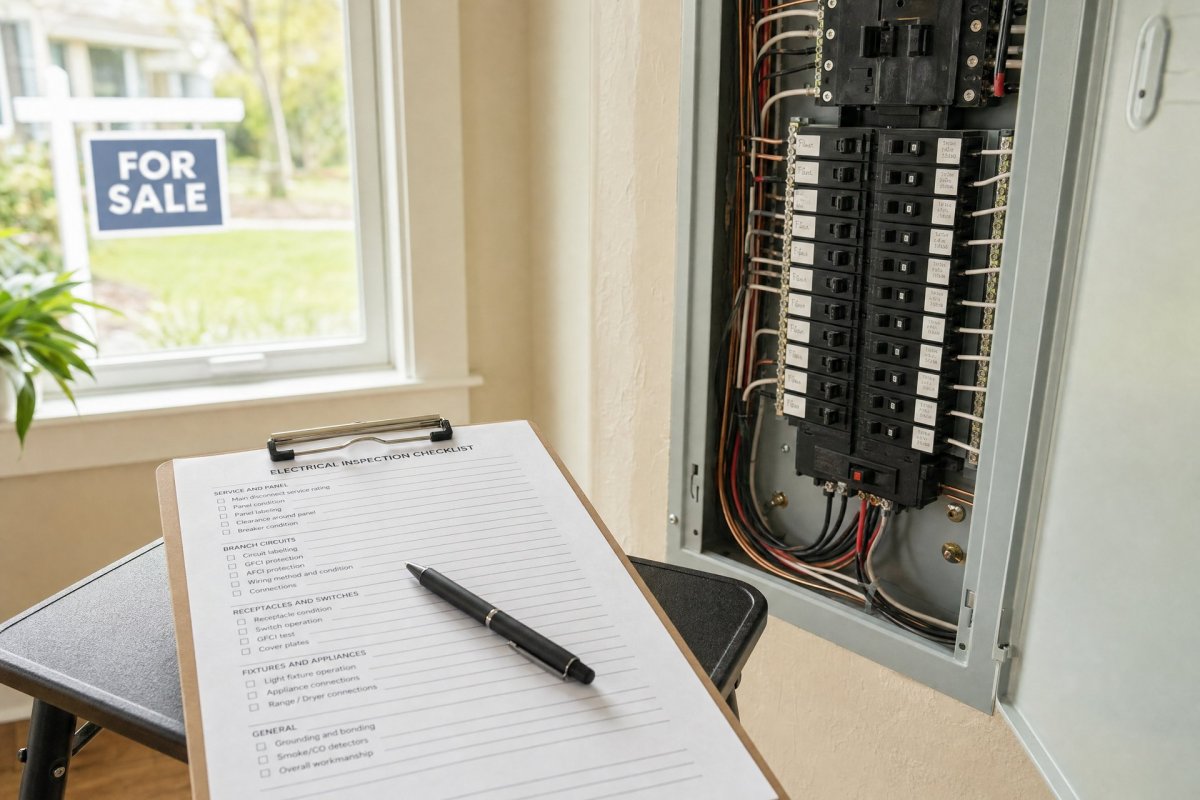
Fall is a busy closing season across the Greater Binghamton area, and if you're on either side of a home sale right now, there's a good chance the electrical system hasn't gotten much attention beyond a quick look from a general home inspector. That's a problem, because electrical issues are one of the most common reasons deals stall, insurance quotes come back higher than expected, or buyers walk away entirely.
Whether you're a seller trying to get ahead of an issue before it shows up on someone else's inspection report, or a buyer about to close on an older bungalow in Johnson City or a mid-century colonial in Endwell, a dedicated electrical safety inspection gives you information a standard home inspection often can't.
Why a General Home Inspection Isn't Enough
Most general home inspectors are trained to spot obvious red flags, an exposed wire, a missing panel cover, a clearly outdated fuse box. What they're usually not equipped to do is open a panel and evaluate it the way a licensed electrician would, trace wiring through walls and attics, or tell you whether the system as a whole meets current code. A dedicated electrical inspection from Albrite Electric goes deeper, checking your panel, grounding, GFCI and AFCI coverage, and the condition of wiring throughout the home.
How This Affects Insurance and Financing
Insurance carriers have gotten noticeably stricter about older electrical systems in the past several years. Homes with knob and tube wiring or aluminum wiring can face higher premiums, coverage denials, or a requirement to rewire before a policy is issued at all. Lenders sometimes attach similar conditions to a mortgage. If you're a seller, discovering this a week before closing can blow up your timeline. If you're a buyer, walking in with your own inspection report gives you leverage to negotiate repairs or credits before you're locked in.
Even something as simple as two-prong outlets throughout a house can signal to an underwriter that the system predates modern grounding standards, which is worth knowing before it becomes a surprise.
What We Check During an Electrical Safety Inspection
Our inspections cover the full system, not just the parts that are easy to see:
- Panel condition, capacity, and whether it's on a recall or discontinued list
- Grounding and bonding throughout the system
- GFCI and AFCI protection in required locations
- Signs of outdated wiring types, including knob and tube and aluminum
- Outlet and switch condition, including loose outlet boxes
- Any visible warning signs listed in our guide to outdated wiring in older Binghamton homes
You'll walk away with a clear, written summary you can hand to a lender, an insurance agent, or a buyer's attorney, rather than a vague verbal opinion. If the inspection turns up capacity concerns, we can also walk you through panel upgrade options before they become a condition of your sale.
Timing It Right for a Fall Closing
The earlier this happens in the process, the more options you have. Sellers benefit from scheduling an inspection before listing, so there are no surprises during a buyer's due diligence period. Buyers benefit from scheduling one during their inspection contingency window, while there's still room to negotiate. Either way, don't wait until a week before closing to find out your panel needs work; that's when timelines get tight and leverage disappears.
What a Written Report Actually Gives You at the Negotiating Table
A verbal opinion from a walkthrough doesn't carry much weight once real estate attorneys and lenders get involved. What does carry weight is a written, itemized report you can point to. If you're selling, that report lets you decide whether to make repairs before listing or price the home accordingly and disclose the findings up front, which tends to keep buyers from getting spooked mid-negotiation. If you're buying, the same report becomes a bargaining tool. You can request a credit at closing, ask the seller to complete specific repairs, or simply walk in with realistic expectations about what you'll need to budget for in the first year of ownership.
This matters even more for homes in Greater Binghamton's older neighborhoods, where a house built in the 1940s or 1950s may look perfectly updated on the surface while still carrying original wiring behind newer drywall and fresh paint. If your family's safety is the bigger concern, our guide on keeping a home childproofed and electrically safe covers what to check regardless of whether a sale is in the picture.
When to Call a Professional
An electrical safety inspection is worth scheduling any time you're buying, selling, or refinancing a home in the Greater Binghamton area, especially if the home was built before 1980, has visible meter or panel concerns, or an insurance carrier has already flagged the wiring type. It's also worth doing proactively every few years even if you're not moving, simply for your own peace of mind.
Protect Your Closing Date and Your Family's Safety
An electrical safety inspection is one of the lower-cost steps in a home sale, and it can prevent one of the more expensive surprises. Albrite Electric has inspected homes throughout the Greater Binghamton area since 1999, and our written reports are built to hold up with lenders, insurers, and real estate attorneys. Call us at (607) 748-2105 or schedule an inspection online before your next closing date. Read what past customers have said on our testimonials page, and let's make sure your home's electrical system isn't the thing that holds up your deal.