

Home Theater and Entertainment Room Wiring: What Binghamton Homeowners Need to Know Before Building Out Their Space
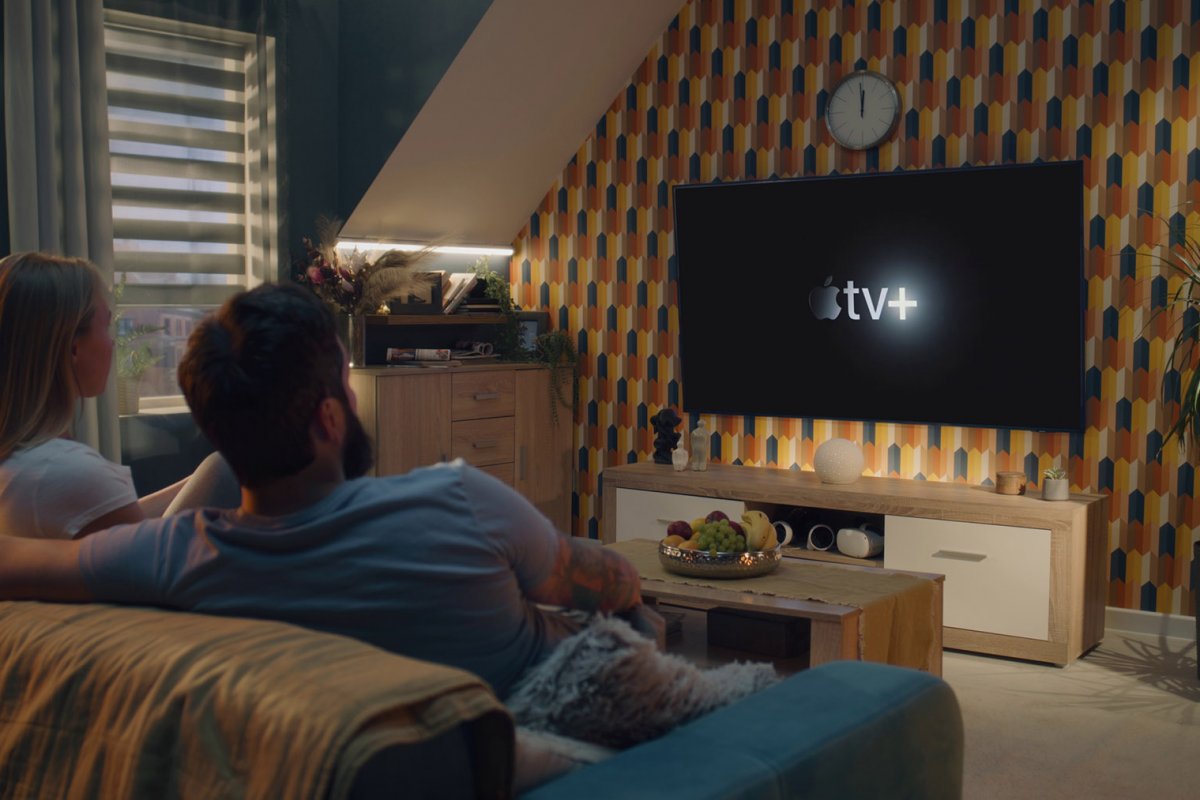
You’ve finally decided to do it — turn that unused basement, spare bedroom, or bonus room into the home theater you’ve always wanted. The big screen is picked out. The surround sound system is researched. The reclining chairs are on order. But before the first bolt is drilled and the first cable is run, there’s one piece of the puzzle that homeowners almost always overlook until it’s too late: the electrical system behind the walls.
A home theater isn’t just a TV and a couch. It’s a collection of high-draw electronics — projectors, receivers, amplifiers, gaming consoles, streaming devices, and lighting systems — that all demand reliable, clean power simultaneously. Plug them into your existing circuits without planning ahead, and you’ll be dealing with tripped breakers, flickering screens, and equipment damage before your first movie night wraps up.
At Albrite Electric, we’ve been helping Greater Binghamton homeowners build out home theaters and entertainment spaces the right way since 1999. Here’s what you need to know about the electrical side of the project before you start.
Why Home Theaters Need Dedicated Electrical Circuits
Most rooms in your home share circuits with other areas — a bedroom outlet might share a circuit with the hallway lighting, for example. That’s fine for low-draw devices like lamps and phone chargers. Home theater equipment is a different story entirely.
A high-end AV receiver alone can draw 500–1,000 watts during peak use. Add a projector (200–400 watts), a subwoofer (100–300 watts), a gaming console (150–200 watts), and a few other components, and you’re easily pulling 2,000+ watts from a single space. If all of that is sharing a 15-amp household circuit, you’re going to trip breakers regularly — and that’s the best-case scenario. Worse outcomes include overheated wiring and damage to sensitive electronics from inconsistent power delivery.
The solution is dedicated circuits — circuits that run directly from your electrical panel to a single outlet or location, with no other devices sharing the load. For a proper home theater setup, most electricians recommend:
- One or two dedicated 20-amp circuits for AV equipment (receiver, amplifier, projector or TV)
- A separate dedicated circuit for high-draw audio components like powered subwoofers
- A dedicated circuit for any gaming consoles or streaming equipment
- Separate circuits for lighting and any HVAC serving the space
This separation does more than prevent tripped breakers — it also keeps electrical “noise” from motors and appliances on other circuits from interfering with your audio and video quality. If you’ve ever heard a hum in your speakers or seen a flicker on your screen when an appliance kicks on, that’s exactly the kind of interference dedicated circuits eliminate.
Outlet Placement: It’s More Strategic Than You Think
Once you have the right circuits in place, outlet placement becomes the next critical decision. In a living room, you might be happy with a couple of outlets on the wall. In a dedicated home theater, poor outlet placement means visible extension cords, power strips daisy-chained across the floor, and a finished room that looks anything but professional.
A licensed electrician will work with your room layout before the walls are closed to place outlets exactly where your equipment will live. That typically includes in-wall or low-voltage conduit runs for cable management, recessed outlets behind the TV or projector screen wall to keep plugs flush and hidden, floor outlets for seating areas where you need power in the middle of the room, and ceiling outlets if you’re mounting a projector overhead. Getting this right requires planning the room layout in advance and roughing in the electrical before drywall goes up — or doing careful retrofit work in a finished space. Our team at Albrite Electric handles both new construction wiring and retrofit installations across the Greater Binghamton area.
If your theater room is in the basement of an older Binghamton-area home, this is also a good time to have your panel evaluated. Many homes built before the 1980s weren’t designed for the electrical demands of a modern entertainment space, and an electrical panel upgrade may be needed to support the additional circuits.
Lighting Control and Low-Voltage Wiring
Great home theaters aren’t just about picture and sound — lighting is a major part of the experience. Dimmable recessed lighting, bias lighting behind the screen, and step lighting along seating rows all contribute to both ambiance and eye comfort during long viewing sessions.
Lighting in a theater room is best handled with dimmers and scene controllers, which require compatible wiring and, ideally, a lighting installation plan built around the space. If you’re interested in smart lighting control — adjusting lights with a remote, app, or voice command as part of your theater experience — that’s a natural extension of smart home wiring that we can integrate during the electrical rough-in phase.
Low-voltage wiring for in-wall HDMI runs, speaker wire, and network cabling should also be planned at the same time as your electrical work. While low-voltage wiring doesn’t carry the same safety concerns as line-voltage work, routing it cleanly through walls alongside your electrical runs saves significant time and cost compared to doing it as a separate project later.
Surge Protection for High-Value Electronics
A home theater represents a significant investment in electronics — often $5,000 to $20,000 or more when you add up the TV or projector, receiver, speakers, and associated components. A single power surge can destroy every piece of equipment in the room in an instant.
Point-of-use power strips with surge protection are better than nothing, but they provide limited protection against large voltage spikes. For genuine peace of mind, whole-house surge protection installed at the panel is the right answer. It stops surges before they ever reach your equipment, protecting everything in the house — not just the theater room. In the Greater Binghamton area, where summer thunderstorms and winter ice storms can cause significant grid disturbances, whole-house surge protection is one of the smartest investments a homeowner can make alongside any major electronics installation.
When to Call a Professional
Running a single new outlet as a DIY project might be within reach for an experienced homeowner. Wiring a dedicated home theater with multiple new circuits, custom outlet placement, in-wall cable management, and lighting control is not — and attempting it without the proper training and permits creates real safety and liability risks. In New York State, electrical work requires permits and inspections, and unpermitted work can complicate home sales and insurance claims down the road.
The right time to call a licensed electrician is before the project starts — ideally before you’ve finalized your room layout. That way, your electrical plan can be built around your actual needs, not retrofitted around decisions that have already been made. Our team is happy to walk through your theater plans and provide a detailed estimate so you know exactly what the electrical side of the project will involve.
Most home theaters benefit from at least two to three dedicated 20-amp circuits — one for the primary AV equipment (receiver, amplifier, projector or TV), one for high-draw audio components like powered subwoofers, and one for gaming consoles and streaming devices. Lighting and any HVAC serving the space should be on their own circuits as well. The exact number depends on your equipment list and room size, which is why we recommend an in-home consultation before finalizing your electrical plan. You can request a free estimate from our team to get a clear picture of what your specific setup requires.
It depends on how much capacity your current panel has available. Many homes in the Greater Binghamton area — especially those built before the 1990s — have panels that are already close to capacity, with little room for additional circuits. A licensed electrician will evaluate your panel during the estimate process and let you know whether you have room to add circuits or whether an electrical panel upgrade makes sense before the project begins. In many cases, homeowners find that a panel upgrade was overdue regardless of the theater project.
Yes. In New York State, any new circuit installation requires an electrical permit and inspection. Working with a licensed electrician like Albrite Electric means we handle the permitting process for you — pulling the necessary permits, scheduling inspections, and ensuring all work meets current New York electrical codes. Unpermitted electrical work can create problems when you go to sell your home or file an insurance claim, so it’s always worth doing things the right way from the start.
We strongly recommend it for any home with a significant investment in electronics. Point-of-use surge strips offer limited protection and can be overwhelmed by a large spike from a lightning strike or grid event. Whole-house surge protection installed at your electrical panel intercepts surges before they reach any device in your home. Given that Greater Binghamton experiences frequent summer storms and winter weather events that stress the power grid, this is one of the most cost-effective ways to protect a substantial electronics investment. Learn more about whole-house surge protection on our blog.
Yes. We handle both line-voltage electrical work (circuits, outlets, panel work) and low-voltage rough-in coordination for home theater projects. We can route conduit or install in-wall low-voltage brackets during the same visit so your HDMI runs, speaker wire, and network cabling stay hidden behind the walls. Coordinating everything in one project visit is significantly more efficient than bringing in multiple contractors at different stages. Contact us to discuss your full project scope.
Ready to build the entertainment space your home deserves? The electrical planning stage is the best time to get it right — before walls are closed and equipment is installed. Call Albrite Electric at (607) 748-2105 or request your free estimate online. We’ve been serving Vestal, Endwell, Johnson City, Binghamton, and the entire Greater Binghamton area since 1999, and we’re here to make sure your home theater is powered up and ready for showtime.