

Storm Season Is Here: Is Your Generac Generator Actually Ready to Run?
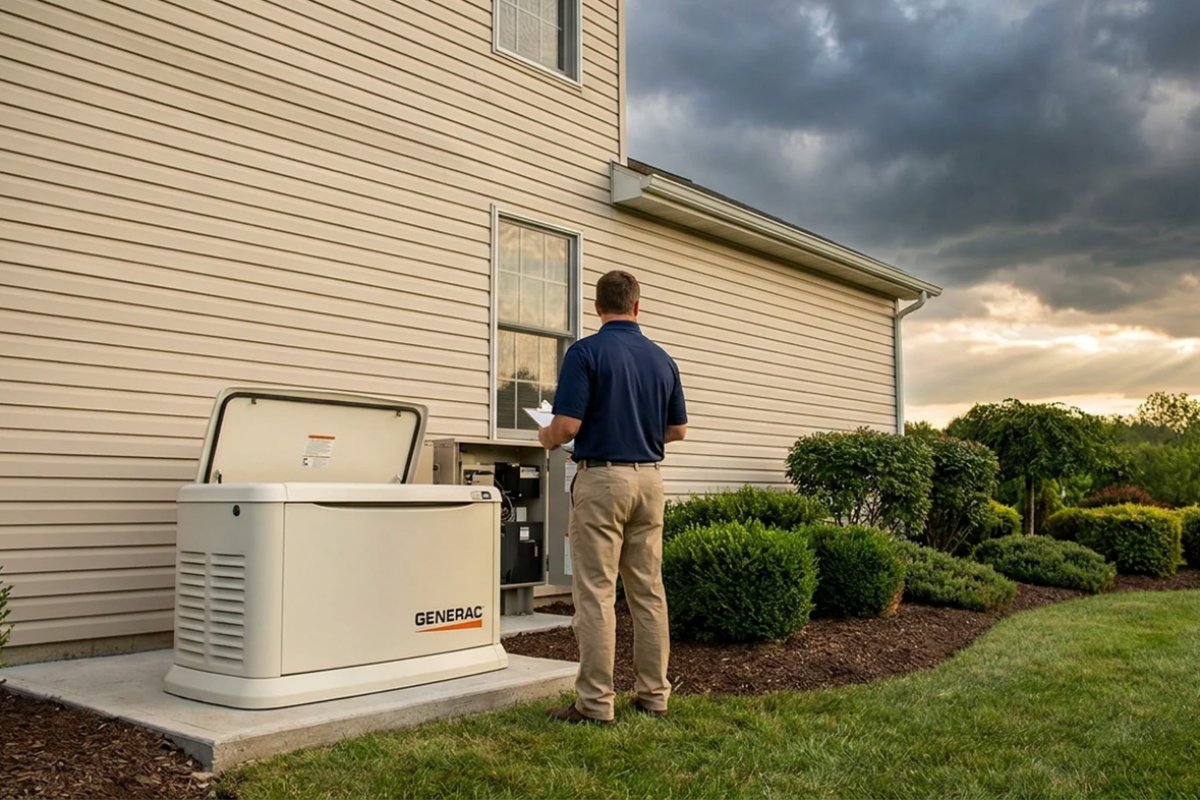
July and August bring some of the most intense thunderstorms of the year to the Greater Binghamton area. The Southern Tier sees its share of severe weather—lines of storms rolling through the Chenango and Susquehanna valleys, wind events that knock out power for hours, and the kind of overnight outages that turn a hot summer night into a miserable experience. If you have a whole house generator, this is the time of year when it earns its keep.
The problem is that most generators sit mostly idle for months at a time, running only their brief weekly self-test cycles. That’s enough to keep the engine ready under normal conditions, but it doesn’t catch every potential problem. If something is wrong with your Generac, you’re unlikely to find out until the power goes out and the generator doesn’t start—which is exactly the wrong moment to discover it. This post walks you through what you can check yourself, what a professional service visit covers, and the warning signs that mean your generator needs attention before the next storm rolls in.
What the Weekly Self-Test Does (and Doesn’t) Tell You
Generac home standby generators are programmed to run a brief self-test once a week—usually for about 12 minutes at reduced load. This test cycle confirms that the engine starts, warms up, and runs. What it doesn’t do is simulate the full demand of a real power outage, test the transfer switch under actual load conditions, or identify issues with fuel delivery, battery charge, or coolant levels that only become apparent under extended operation.
Think of the weekly test as a car idling in the driveway to confirm it starts—not as a highway test drive. It’s useful, but it’s not a substitute for a proper maintenance inspection before peak storm season. Our detailed generator maintenance checklist covers the full scope of what a seasonal inspection should include.
What You Can Check Yourself Before Storm Season
There are several things any homeowner can do to assess their generator’s readiness without specialized tools or training.
- Check the oil level. Your generator has an oil dipstick just like a car engine. With the unit off and cooled down, pull the dipstick and confirm the oil is at the correct level and looks clean. Dark or gritty oil needs to be changed.
- Look at the air filter. A clogged air filter reduces engine efficiency and can cause hard starting or rough running. If it’s been more than a year since the filter was last replaced, plan to have it done before storm season peaks.
- Check the battery. The generator’s starter battery should show no corrosion on the terminals and should be within its rated lifespan (typically 2 to 3 years). A weak battery is one of the most common reasons generators fail to start when needed.
- Run a manual test. Don’t just rely on the automatic weekly cycle. Manually initiate a test run from the generator’s control panel and observe it for the full run. Listen for unusual noises, watch for exhaust that looks unusually dark or smoky, and confirm that the unit shuts down cleanly when you end the test.
- Clear the area around the unit. Vegetation, debris, and anything stored near the generator can restrict airflow or create fire hazards. Keep at least three feet of clearance on all sides.
Warning Signs That Your Generator Needs Professional Service
The generator cranks but doesn’t start. This is most often a battery, fuel, or carburetor issue. It can also indicate a problem with the control board. Any of these requires professional diagnosis.
The generator starts but runs roughly or shuts down unexpectedly. Rough running can indicate fuel delivery problems, a dirty or failing spark plug, low oil pressure, or air filter restriction. An unexpected shutdown during the test cycle is particularly concerning because it suggests the unit may not sustain operation during a real outage. Our post on common whole house generator problems covers many of these scenarios in detail.
Error codes or warning lights on the control panel. Modern Generac generators display fault codes on their control panels when something is wrong. Don’t ignore these. Look up the code in your owner’s manual or call a service technician to have it diagnosed.
The automatic transfer switch doesn’t seem to be functioning correctly. If you’ve had a brief outage recently and the generator didn’t kick on as expected, the transfer switch may need attention. This is a critical component—the generator is only as useful as the switch that connects it to your home.
It’s been more than a year since professional service. Generac recommends annual maintenance for home standby generators. If you can’t remember the last time yours was professionally serviced, schedule it now before storm season peaks.
What a Professional Generator Service Visit Covers
A professional maintenance visit from Albrite Electric goes well beyond what a homeowner can check independently. Our technicians inspect and service the full system, including:
- Oil and filter change
- Air filter inspection and replacement
- Spark plug inspection and replacement as needed
- Battery load test and replacement if required
- Fuel system inspection, including the gas line connection and fuel filter
- Transfer switch operation test under load
- Control board diagnostic check and fault code review
- Full operational test at rated load
After a professional service visit, you’ll know your generator is in the best possible shape to handle whatever storm season brings. Learn more about our Generac generator maintenance service, or visit Generac’s website for additional resources on their home standby generator lineup.
If you’re not yet a generator owner but have been thinking about it, the Generac buying guide for first-timers and our generator sizing guide are great starting points. And if you’ve already decided you’re ready to install, our whole house generator installation page has everything you need to get started.
Albrite Electric serves generator owners throughout the Greater Binghamton area, including Vestal, Endwell, Owego, Kirkwood, and surrounding communities. Visit our Kirkwood and Owego service pages to learn more.
Frequently Asked Questions About Generator Readiness for Storm Season
Generac recommends annual professional maintenance for home standby generators, typically timed to coincide with the beginning of peak usage season. In the Greater Binghamton area, scheduling service in late spring or early summer—before the height of storm season—is a good practice. If your generator has logged significant runtime hours due to an extended outage, service sooner rather than later.
The weekly self-test runs the generator at reduced load for a short period. It confirms the engine starts and runs, but it doesn’t test the battery under a real load, verify fuel system integrity, check wear components like spark plugs and filters, or test the transfer switch under actual demand. A professional inspection catches the kinds of issues that only show up under closer examination or extended full-load operation.
First, check that the generator’s fuel supply (natural gas or propane) is active and that the shutoff valve is open. Check the control panel for any fault codes or warning lights. If the battery is dead, some generators can be manually started if you have a backup start procedure in your owner’s manual. If the unit simply won’t respond, call Albrite Electric at (607) 748-2105 and we’ll work to get a technician out to you as quickly as possible.
A standard annual maintenance visit typically takes one to two hours depending on the generator model and what the inspection reveals. If additional repairs or part replacements are needed, we’ll let you know what was found and get your approval before proceeding with anything beyond the scheduled service. Schedule your service visit online or call us at (607) 748-2105.
Don’t find out your generator has a problem during the next outage. Call Albrite Electric at (607) 748-2105 or schedule your generator service visit online. We’ll make sure your Generac is fully ready for whatever storm season brings to the Southern Tier this summer.