

Garage Wiring 101: Why Your Workshop or Power Tools Need Their Own Circuit
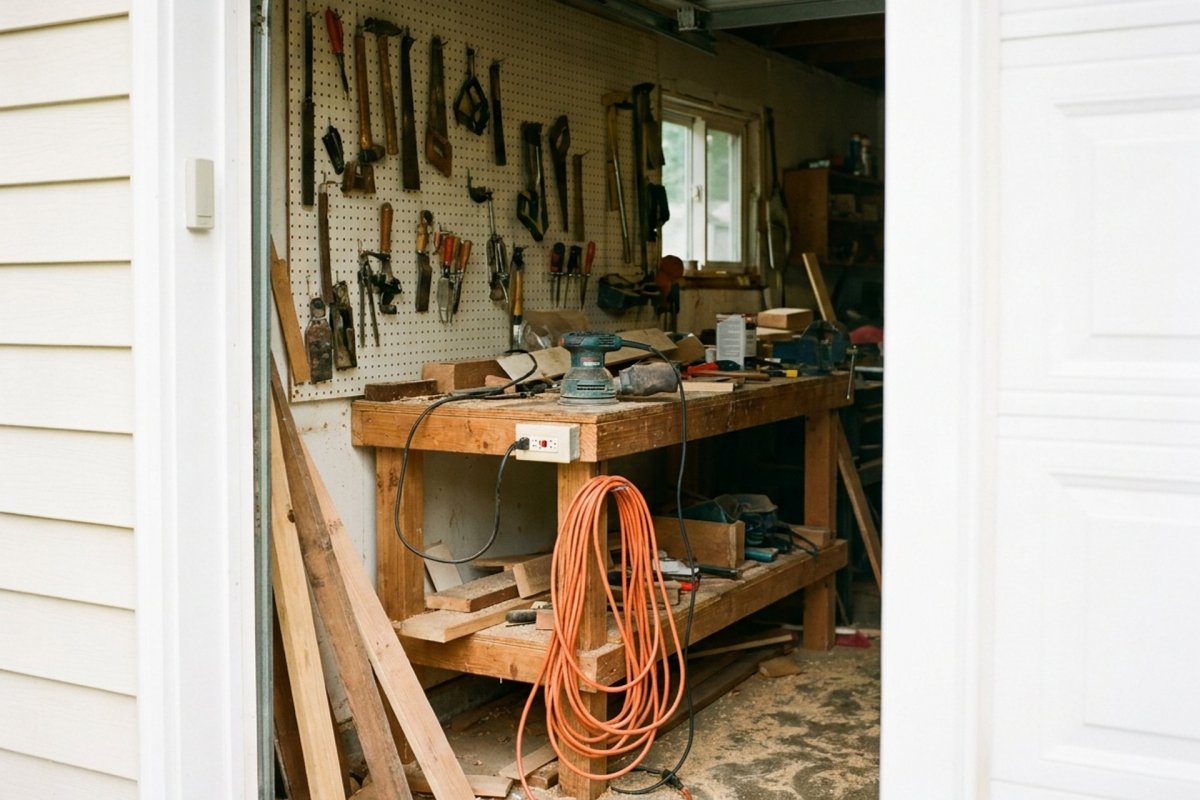
Late summer is prime time for garage projects around Binghamton, whether you're finally organizing the workshop, tackling a woodworking hobby, or setting up a home gym before the weather turns. But if you've ever plugged in a table saw or air compressor and watched the lights flicker or the breaker trip, your garage is telling you something important: it probably wasn't wired for the way you're actually using it.
Most garages, especially in homes built before the 1990s, were wired for little more than a light fixture and a single general-purpose outlet. That's a problem when today's garages double as workshops, charging stations, and storage for power-hungry tools. At Albrite Electric, we've helped homeowners throughout Johnson City, Endwell, and the surrounding Southern Tier bring their garages up to a standard that actually matches how they use the space.
Here's what you need to know about garage electrical circuits, why dedicated wiring matters, and how to know when it's time to call a professional.
Why One Outlet Isn't Enough Anymore
A single shared circuit might have been fine when a garage only needed to power a light and the occasional drill. Today, that same circuit is often expected to run a shop vac, a battery charger, power tools, a mini fridge, and overhead lighting all at once. When too many appliances share one circuit, the breaker trips as a safety measure, cutting power before wires overheat.
Frequent tripping isn't just inconvenient. It's a sign the circuit is being asked to do more than it was designed for, and repeatedly resetting an overloaded breaker can accelerate wear on both the breaker and the wiring behind it.
What a Dedicated Garage Circuit Actually Solves
A dedicated circuit is a single circuit that powers only one appliance or outlet, with no other devices competing for that capacity. For garages, this typically means:
- A dedicated 20-amp circuit for power tools and workbenches
- A separate circuit for a garage refrigerator or freezer
- GFCI-protected outlets throughout, since garages are considered damp locations under electrical code
- A dedicated circuit for EV charging, if that's in your plans
Our dedicated circuits guide covers the broader case for this approach throughout your home, and a garage workshop is one of the clearest examples of where it pays off. Circuits like these are typically added through our circuit breaker installation and upgrade service.
GFCI Protection Isn't Optional in a Garage
Garages are exposed to moisture, temperature swings, and concrete floors, all of which increase the risk of ground faults. Current electrical code requires GFCI-protected outlets in garages for exactly this reason. If your garage still has standard outlets without the test and reset buttons, that's an easy and important safety upgrade, especially if you're running tools with metal housings or working with any water nearby.
If your garage still has older two-prong outlets, that's a separate but related issue worth addressing. Our guide to two-prong outlet conversion explains why grounded, three-prong outlets matter for anything with a motor, including most power tools.
Planning for What Comes Next
Before you add wiring, think about how you'll use the garage over the next several years, not just this month. Homeowners who add a workbench circuit today often come back a year or two later wanting an EV charging station, additional outlet installation, or a dedicated circuit for a mini-split heater. Planning garage circuits with future needs in mind, even if you don't build them all right away, can save you from opening up walls twice.
When to Call a Professional
Garage wiring is generally more accessible than wiring hidden behind finished walls, which can tempt DIY-minded homeowners to take it on themselves. But running a new dedicated circuit means working inside your electrical panel, sizing the breaker correctly, and making sure the wire gauge matches the load. If any of the following sound familiar, it's time to call a licensed electrician:
- Your garage breaker trips more than occasionally when running tools
- You still have outlets without GFCI protection
- You're planning to add an EV charger, mini-split, or major appliance
- Your garage still has two-prong, ungrounded outlets
A Garage That Works as Hard as You Do
Your garage should be able to keep up with the way you actually use it, whether that's weekend woodworking, seasonal storage, or a full workshop setup. Dedicated circuits and proper GFCI protection solve the tripping breakers and safety concerns in one visit, and they set your garage up for whatever project comes next.
If your Binghamton-area garage is due for an electrical upgrade, Albrite Electric can assess your current setup and recommend exactly what it needs. You can browse the towns we serve on our surrounding areas page, or contact us directly through our contact page. Call us at (607) 748-2105 or request a free estimate to get started.