

Under-Cabinet Lighting, Dimmer Switches, and Recessed Lights: A Homeowner's Guide to Lighting Upgrades
Of all the upgrades homeowners ask us about, lighting improvements consistently rank among the most satisfying — not just because the results are immediate and visible, but because good lighting genuinely transforms how a space feels. The right lighting makes a kitchen more functional, a living room more inviting, and a bedroom more relaxing. It can make a small space feel larger and highlight the architectural details that drew you to your home in the first place.
The good news is that you don’t need a full renovation to dramatically improve the lighting in your home. A few targeted upgrades — recessed lighting in the right places, dimmer switches on existing fixtures, under-cabinet lights in the kitchen — can make a noticeable difference without tearing up walls or ceilings. At Albrite Electric, we’ve been helping Greater Binghamton homeowners upgrade their lighting since 1999, and we’ve seen firsthand how much of a difference these projects make.
Here’s what you need to know about the most popular residential lighting upgrades and what to expect when you have them professionally installed.
Recessed Lighting: The Most Popular Upgrade for a Reason
Recessed lighting — the kind where the fixture is flush with the ceiling rather than hanging below it — has become the go-to choice for homeowners remodeling kitchens, living rooms, hallways, and bathrooms. There’s a reason for its popularity: it provides clean, modern-looking illumination without the visual weight of traditional fixtures, and it works beautifully in spaces with lower ceilings where hanging fixtures feel cramped.
Modern recessed LED fixtures are especially energy-efficient, long-lasting, and available in a range of color temperatures so you can dial in the warmth or coolness of the light to suit the room. They also pair exceptionally well with dimmer switches, giving you full control over the ambiance in any space.
Installing recessed lighting involves running new wiring through your ceiling and walls — work that requires a licensed electrician and, in many cases, a permit. The good news is that today’s “remodel” recessed fixtures are designed specifically for installation in existing ceilings without major demolition, which keeps the process much less disruptive than it used to be. Our lighting installation team handles these projects regularly and can give you a realistic picture of what’s involved in your specific home.
Common locations where recessed lighting makes the biggest impact include:
- Kitchen ceilings, especially when replacing outdated fluorescent fixtures
- Living room and family room ceilings, often combined with dimmer controls
- Hallways and entryways where traditional fixtures feel out of proportion
- Bathrooms, where proper task lighting is essential and space is at a premium
- Home offices and finished basements where overhead lighting needs to be functional without feeling harsh
Dimmer Switches: A Small Change with a Big Impact
Replacing a standard on/off switch with a dimmer is one of the simplest, most affordable lighting upgrades available — and the difference in how a room feels at different light levels is genuinely remarkable. Dimmers give you control over the mood of a space, reduce energy consumption when full brightness isn’t needed, and can extend the life of your light bulbs.
A few things to know before you assume dimmer installation is straightforward:
First, not all bulbs are dimmable. LED bulbs, which are by far the most common type in use today, vary widely in how well they dim. Some LEDs flicker, buzz, or won’t dim below a certain level without the right dimmer switch. Choosing compatible dimmers and bulbs is something your electrician can help with — it’s not always as simple as picking up any dimmer at the hardware store.
Second, dimmer switches require a neutral wire in the switch box, which older homes sometimes lack. In a home built before the 1990s — common throughout Johnson City, Endwell, and the older neighborhoods of Binghamton — some switch boxes may only have two wires, which limits compatibility with standard dimmers. Smart dimmer switches, which we discuss in our post on smart home wiring, have some models designed to work without a neutral wire, but an electrician should verify your wiring before you commit to a solution.
Third, multi-way switching situations — where one light is controlled by switches at both ends of a hallway or staircase — require special 3-way dimmer switches, and the installation is more complex than a single-switch replacement. This is a job for a professional.
Under-Cabinet Lighting: Function and Beauty in the Kitchen
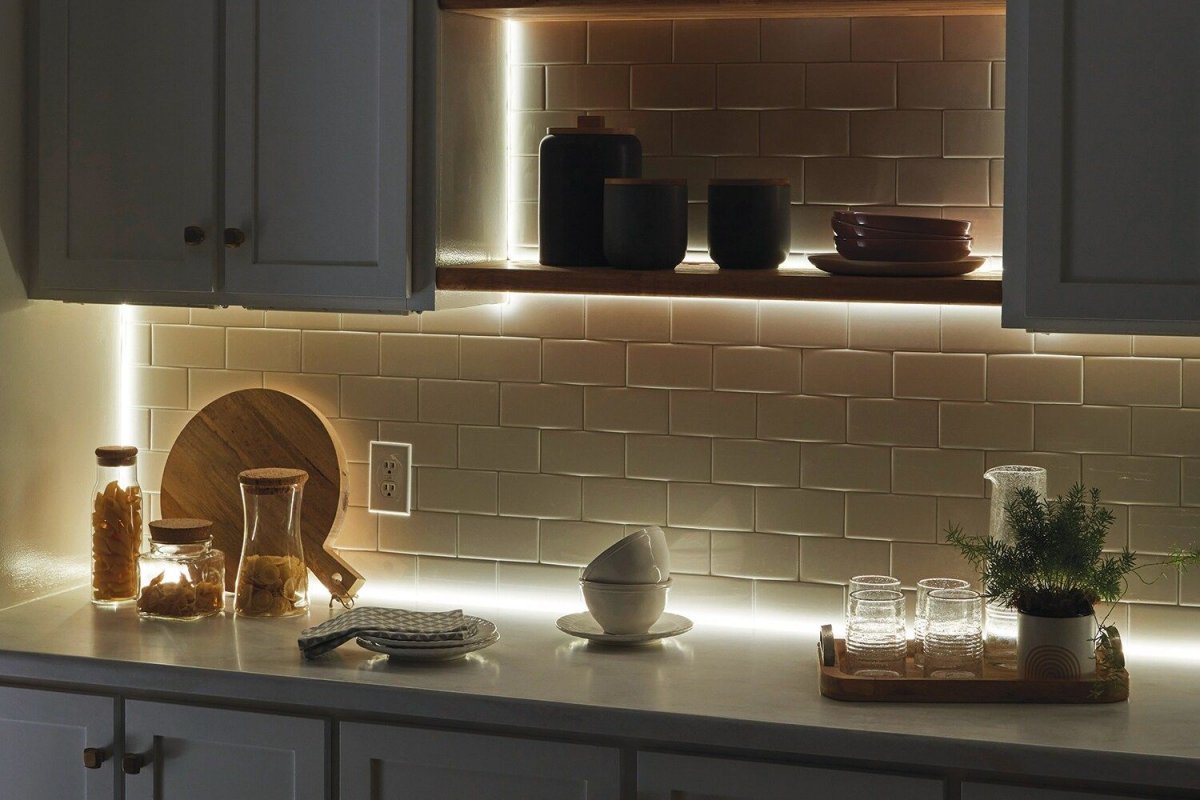
Under-cabinet lighting is one of those upgrades that kitchen users immediately wonder how they ever lived without. The cabinets that hang above your countertops cast shadows directly onto your work surface, which means you’re often chopping vegetables or reading recipes in the shadow of the very cabinet that’s supposed to be helping you. Under-cabinet lights eliminate that shadow and provide direct, functional task lighting right where you need it.
Beyond the functional benefits, under-cabinet lighting adds a warm, finished look to a kitchen that makes the space feel more intentional and well-designed. Many homeowners find that a set of well-placed under-cabinet lights does more for the feel of their kitchen than a much more expensive renovation would.
There are two main installation approaches. Plug-in under-cabinet lights are easier to install but require a nearby outlet under each cabinet section, and the cords can be visible. Hardwired under-cabinet lighting is the cleaner, more permanent solution — the wiring is routed inside the wall and cabinets so there are no visible cords, and the lights can be connected to a switch (or a dimmer switch) for full control. Hardwired installation is an electrical job that connects to your home’s wiring, and it should be done by a licensed electrician.
If your kitchen already needs work — adding a new outlet, updating a circuit, or installing GFCI protection at countertop outlets (required by code in kitchens) — combining those projects with under-cabinet lighting installation is a smart way to minimize disruption and cost.
Connecting Lighting Upgrades to Smart Home Technology
Many of the homeowners we work with are interested in combining lighting upgrades with smart home technology — using smart switches and dimmers to control lights from a phone, set automated schedules, or integrate with voice assistants. This is very achievable, but the wiring requirements for smart switches are specific, and not all existing wiring will support every smart switch on the market.
Before investing in smart lighting hardware, it’s worth having an electrician assess your existing wiring to confirm compatibility. We covered the full picture of what smart home wiring involves in our post on smart home wiring 101. Combining smart switch installation with a lighting upgrade project is often the most efficient way to accomplish both goals at once.
You might also consider adding ceiling fans with integrated lighting as part of a broader upgrade — a combination that adds both comfort and illumination to larger rooms. Our detailed guide on ceiling fan installation covers what to expect from that process.
When to Call a Professional
Some lighting projects — like swapping out a light fixture for a direct replacement — are within the comfort zone of a handy homeowner. But adding new circuits, running wiring through walls and ceilings, installing dimmer switches in older homes with unusual wiring configurations, or hardwiring under-cabinet lights all involve work that benefits from professional training and tools. Done correctly, these upgrades are safe, code-compliant, and built to last. Done incorrectly, they can create hidden hazards or fail inspection when you go to sell your home.
At Albrite Electric, we handle lighting upgrades of all sizes throughout Greater Binghamton. Whether you’re updating a single room or planning a whole-home lighting refresh, our team will give you an honest assessment of what’s involved and handle the installation cleanly and professionally. See why our customers trust us on our testimonials page and learn more about what sets us apart on our Why Albrite Electric page.
Ready to transform your home’s lighting? Call Albrite Electric at (607) 748-2105 or request your free estimate online. We serve Binghamton, Vestal, Endwell, Johnson City, Endicott, and communities throughout the Southern Tier — and we’d love to help you see your home in a whole new light.