

Pool and Hot Tub Electrical Wiring: What Every Binghamton-Area Homeowner Needs to Know
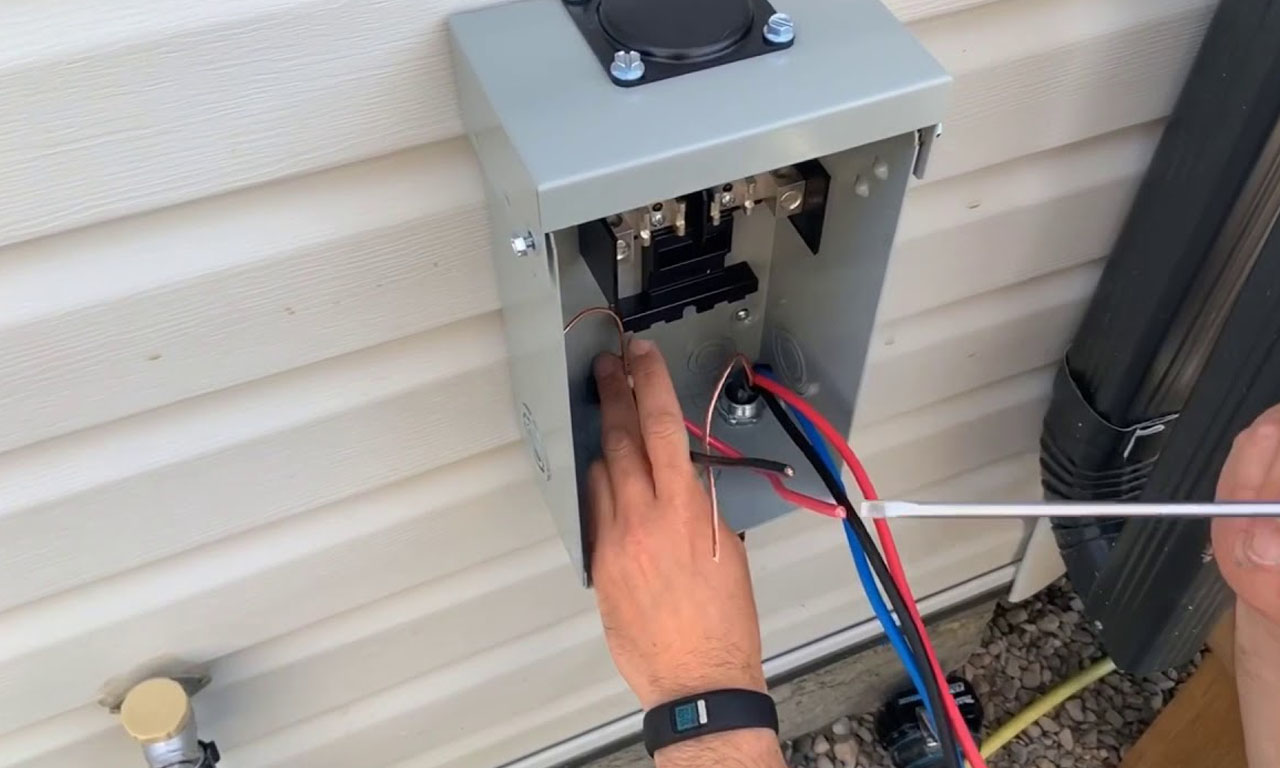
Few things make a Greater Binghamton summer more enjoyable than stepping into your own backyard pool or unwinding in a hot tub after a long day. But before you start shopping for pool floats or adjusting the water temperature, there's a critical piece of the puzzle that deserves your full attention: the electrical wiring that powers it all.
Water and electricity are a dangerous combination when things aren't done right. Pool and hot tub wiring involves dedicated circuits, specialized safety devices, bonding requirements, and strict code compliance — none of which should be treated as a DIY project. Whether you're installing a new above-ground pool, an in-ground setup, or a standalone hot tub, here's what you need to know to keep your family safe and your project on track.
Why Pool and Hot Tub Wiring Requires a Licensed Electrician
The National Electrical Code (NEC) devotes an entire section to swimming pools, spas, and hot tubs — and for good reason. The electrical requirements for these installations are significantly more complex than wiring a standard appliance or outlet. Improperly wired pool equipment is one of the leading causes of electrical shock injuries in residential settings, and the risks aren't limited to the water itself. Faulty wiring in nearby lighting, pumps, or heaters can create hazards across the surrounding area.
New York State requires that all pool and hot tub electrical work be performed by a licensed electrician and inspected before use. This isn't red tape for its own sake — it's a safeguard that ensures your installation meets the latest safety standards. A qualified electrician will know exactly what's required for your specific setup, from the size of the dedicated circuit breaker to the placement of disconnect switches and ground-fault protection devices.
Dedicated Circuits and Panel Capacity
Pools and hot tubs draw a significant amount of power — far more than most household appliances. A typical hot tub requires a 240-volt, 50-amp dedicated circuit, while pool pump and heater combinations can demand even more depending on their size. This means the equipment needs its own circuit running directly from your electrical panel, separate from the rest of your home's wiring.
In many older Binghamton-area homes — particularly those built in the 1950s through 1980s — the existing panel may not have enough capacity to support a new high-draw installation. If your panel is already near its limits (frequent circuit breaker trips are a telltale sign), you'll likely need a panel upgrade before the pool or hot tub can be safely connected. Your electrician will evaluate this during the initial assessment and factor it into the project plan.
GFCI Protection and Bonding: Non-Negotiable Safety Requirements
Two safety features are absolutely essential for any pool or hot tub electrical installation: GFCI (Ground-Fault Circuit Interrupter) protection and proper equipment bonding.
GFCI protection is designed to detect even tiny imbalances in electrical current — the kind that occur when electricity finds an unintended path, such as through water or a person. When a ground fault is detected, the GFCI shuts off power in a fraction of a second, dramatically reducing the risk of electrocution. The NEC requires GFCI protection on all circuits serving pool and hot tub equipment, including pumps, heaters, lights, and any outlets within a specified distance of the water.
Bonding is the process of electrically connecting all metal components in and around the pool or hot tub — including the water itself, ladders, handrails, pump housings, and reinforcing steel — to create an equal electrical potential. This doesn't carry current during normal operation, but it prevents a voltage difference from developing between metal parts that could deliver a shock. Bonding requirements are detailed and specific, and they must be verified during inspection.
Outdoor Wiring Considerations for the Binghamton Climate
The Greater Binghamton area sees everything from humid summers to harsh winters with heavy snow and ice. All outdoor electrical components for your pool or hot tub need to be rated for wet or damp locations, and wiring must be protected in weatherproof conduit. Lighting fixtures around the pool area should carry a wet-location rating, and any exterior outlets need to be housed in weatherproof enclosures.
If you're planning to add landscape lighting or security lighting around the pool area, your electrician can coordinate that work as part of the overall installation. Doing everything at once ensures consistent code compliance and often saves on labor costs compared to separate projects. Our recent post on landscape lighting for curb appeal and security covers some great options for outdoor spaces.
For hot tub owners, winter operation adds another layer of consideration. The electrical connections need to withstand freeze-thaw cycles, and the disconnect switch and GFCI breaker must remain accessible even when snow accumulates. A licensed electrician who understands local conditions will plan for these factors from the start.
What the Installation Process Looks Like
A professional pool or hot tub electrical installation typically follows a straightforward sequence. First, your electrician will assess your panel's capacity and determine whether an upgrade is needed. Next, they'll plan the circuit routing from the panel to the equipment location, including the placement of the required disconnect switch (which must be installed within sight of the pool or hot tub and at least five feet from the water's edge).
On installation day, the work involves running the dedicated circuit in conduit to the equipment pad, installing the disconnect and GFCI protection, completing all bonding connections, and verifying that everything operates correctly. The entire job typically takes one day for a straightforward hot tub hookup, while more complex pool installations with multiple pieces of equipment may take slightly longer.
Once the work is complete, it will need to pass a local electrical inspection before the pool or hot tub is used. Your electrician will coordinate the inspection scheduling as part of the project.
When to Call Albrite Electric
If you're planning a pool or hot tub installation this season — or if you have existing equipment that hasn't been inspected recently — a conversation with a licensed electrician is the right first step. Warning signs that your current pool or hot tub wiring may need attention include:
- Tingling sensations when touching pool ladders, handrails, or water
- Tripping breakers when pool or spa equipment runs
- Visible corrosion or damage on outdoor wiring or junction boxes
- Equipment that was installed without a permit or inspection
- A panel that's already at capacity with no room for additional circuits
Any of these situations warrants a professional evaluation. Electrical safety around water isn't something to take chances with.
Albrite Electric has been the trusted choice for pool and hot tub wiring across the Greater Binghamton area since 1999. Our licensed electricians handle every aspect of the job — from panel assessments and dedicated circuit installation to bonding, GFCI protection, and final inspection coordination. We take the time to explain the process clearly and make sure your installation is safe, up to code, and ready to enjoy.
Ready to get started? Call Albrite Electric today at (607) 748-2105 or request your free estimate online. Let's make sure your backyard oasis is wired safely from day one.