

Is Your Home's Wiring Ready for an EV Charger? What Binghamton Homeowners Need to Know
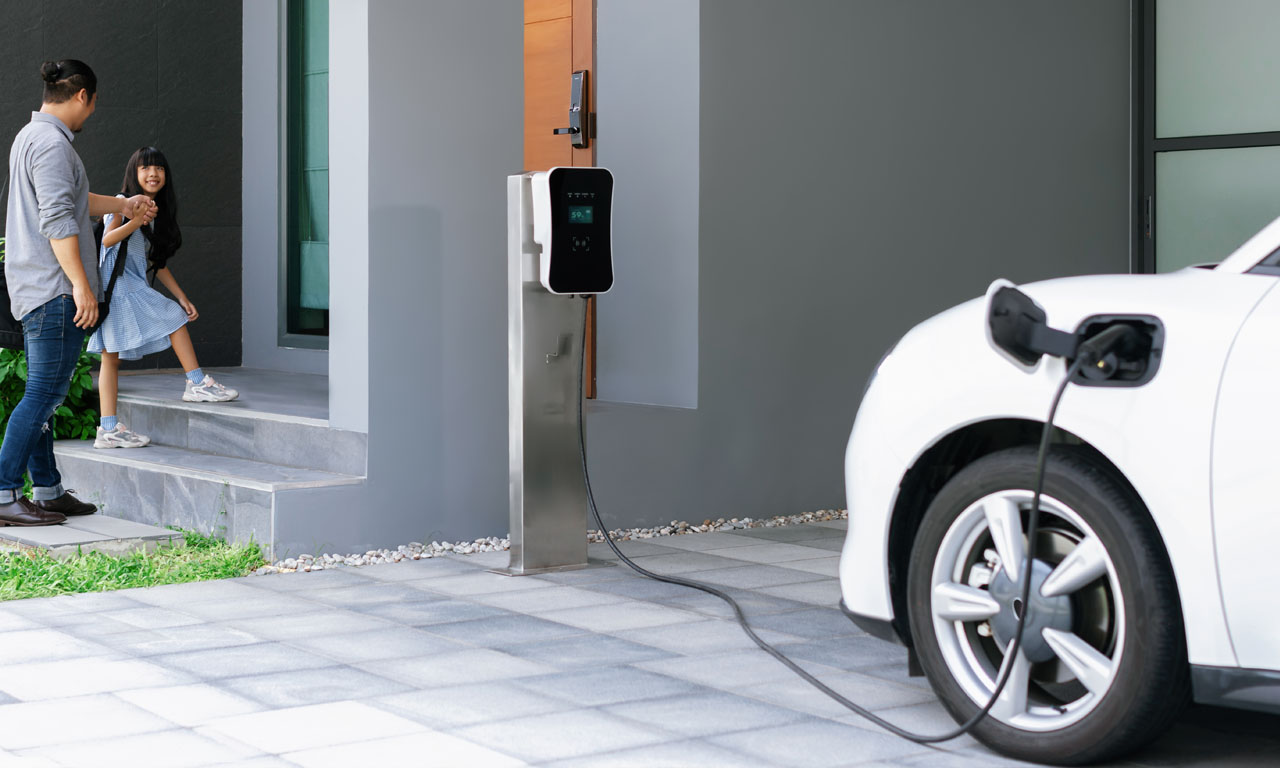
Electric vehicles are no longer a futuristic fantasy—they're parked in driveways across the Greater Binghamton area right now. Whether you've just purchased your first EV, you're seriously considering making the switch, or you're planning ahead for when your next vehicle will be electric, one question deserves your attention: is your home ready to charge it?
Unlike filling up at a gas station, charging an EV means your home becomes your primary "fueling" station. That's incredibly convenient—imagine waking up every morning to a full "tank"—but it also means your home's electrical system needs to be up to the task. At Albrite Electric, we've been helping homeowners throughout Vestal, Endwell, Johnson City, and the entire Southern Tier prepare their homes for the electric future since 1999. Let's explore what it takes to get your home EV-ready.
Understanding EV Charging Levels
Before diving into electrical requirements, it helps to understand the different levels of EV charging available for home use:
Level 1 Charging (120V): This is the most basic option. Your EV likely came with a Level 1 charging cord that plugs into any standard household outlet. It's convenient because it requires no special installation, but it's also slow—typically adding only 3-5 miles of range per hour of charging. For most EV owners, Level 1 charging is fine for occasional top-offs but impractical as a primary charging method.
Level 2 Charging (240V): This is the sweet spot for home charging. A Level 2 charger uses a dedicated 240-volt circuit (similar to what powers your electric dryer or oven) and can add 25-30 miles of range per hour. For most drivers, this means a full overnight charge, even if you arrived home with a nearly empty battery. Level 2 is what we recommend and install for the vast majority of homeowners.
There's also DC Fast Charging (Level 3), but this requires commercial-grade electrical infrastructure and isn't practical for residential installation.
Electrical Requirements for Level 2 EV Charging
Installing a Level 2 EV charging station isn't as simple as plugging in a new appliance. Here's what your home's electrical system needs to support:
A Dedicated 240-Volt Circuit: Your EV charger needs its own dedicated circuit—it can't share with other appliances. Most Level 2 chargers require either a 40-amp or 50-amp circuit, depending on the charger's power output. The circuit must run directly from your electrical panel to the charging location.
Adequate Panel Capacity: This is where many older homes hit a snag. Your electrical panel has a limited capacity, and adding a 40 or 50-amp circuit for an EV charger requires available amperage. In homes with 100-amp service (common in older Binghamton-area homes), there may not be enough capacity to add EV charging without an upgrade.
Proper Wiring: The wire gauge must be appropriate for the amperage—typically 6-gauge wire for a 50-amp circuit. The wiring must be properly installed and protected, especially if it runs through unfinished spaces or outdoors to a garage or carport.
GFCI Protection: National Electrical Code requires ground-fault circuit interrupter (GFCI) protection for EV charging equipment. This can be built into the charger, the outlet, or the circuit breaker.
Signs Your Electrical System May Need Upgrades
How do you know if your home is ready for an EV charger as-is, or if upgrades will be needed? Here are some indicators that additional work may be required:
You Have a 100-Amp Electrical Panel: Many homes built before the 1980s—and even some newer homes—have 100-amp service. While this was adequate for the electrical demands of the past, today's homes with central air, multiple electronics, and now EV charging often need 200-amp service. If your panel is at or near capacity, an electrical service upgrade may be necessary.
Your Panel Is Full: Even if you have adequate amperage, you need physical space in your panel for a new double-pole breaker. If every slot is taken, options include replacing tandem breakers, installing a sub-panel, or upgrading to a larger main panel.
You Experience Frequent Breaker Trips: If your circuit breakers already trip frequently, your system is telling you it's operating near its limits. Adding the significant load of an EV charger would only make this worse.
Your Home Has Older Wiring: Homes with outdated wiring systems—including aluminum wiring or knob-and-tube wiring—may need wiring upgrades before adding high-demand circuits like EV charging.
Your Garage Lacks Adequate Electrical Service: Many garages, especially detached garages, have minimal electrical service—perhaps just a single 15 or 20-amp circuit for lights and a few outlets. Running a new 240V circuit to your garage may require significant new wiring.
The EV Charger Installation Process
When you work with Albrite Electric for your EV charger installation, here's what the process typically looks like:
Initial Assessment: We start with an evaluation of your electrical system, including your panel capacity, available circuits, and the proposed charging location. We'll discuss your vehicle's charging requirements and your typical driving patterns to recommend the right charger output for your needs.
Planning and Permits: EV charger installation requires electrical permits in most jurisdictions. We handle all permit applications and ensure your installation meets local codes and NYSEG requirements.
Any Necessary Upgrades: If your system needs upgrades—whether a panel replacement, service upgrade, or new wiring—we complete this work first to ensure a solid foundation for your charger.
Charger Installation: We install your charging station in the optimal location, run the dedicated circuit, and make all necessary connections. We test everything thoroughly to ensure safe, reliable operation.
Walkthrough and Training: Before we leave, we walk you through your new charging setup, explain any features of your specific charger, and answer all your questions.
Choosing the Right EV Charger
There are many EV chargers on the market, ranging from basic models to smart chargers with advanced features. Here are factors to consider:
Charging Speed: Chargers are rated by their output in kilowatts (kW) or amps. A 32-amp charger delivers about 7.7 kW, while a 48-amp charger delivers about 11.5 kW. Faster charging is convenient but requires a larger circuit—and your vehicle's onboard charger must be able to accept the higher rate.
Smart Features: Many modern chargers offer WiFi connectivity, smartphone apps, and features like scheduled charging (to take advantage of lower off-peak electricity rates), energy monitoring, and integration with home energy management systems.
Hardwired vs. Plug-In: Some chargers are hardwired directly to your electrical system, while others plug into a NEMA 14-50 outlet (similar to an electric dryer outlet). Plug-in chargers offer flexibility if you move or want to take your charger with you, but hardwired installations can be cleaner and may be required for certain chargers.
Indoor vs. Outdoor Installation: If your charger will be installed outside—in a carport, on an exterior wall, or in a location exposed to weather—make sure it's rated for outdoor use (NEMA 4 or higher rating).
Cost Considerations for EV Charger Installation
The cost of installing an EV charger varies significantly based on your home's existing electrical infrastructure and the complexity of the installation. Here's what influences the price:
Distance from Panel to Charger: The longer the wire run, the higher the material and labor costs. Installing a charger on a garage wall that backs up to your electrical panel is much simpler than running a circuit to a detached garage 50 feet away.
Panel Upgrades: If you need a panel upgrade or service increase, this adds significant cost but also adds value to your home and capacity for future electrical needs.
Charger Selection: Basic Level 2 chargers start around $300-400, while smart chargers with advanced features can run $600-800 or more. We can help you choose a charger that fits your budget and needs.
Incentives and Rebates: Don't forget to check for available incentives. Federal tax credits, state rebates, and utility programs can offset a significant portion of your installation cost. We can point you toward current programs available to Greater Binghamton homeowners.
Why Professional Installation Matters
While some handy homeowners might be tempted to tackle EV charger installation themselves, there are compelling reasons to work with a licensed electrician:
Safety: Working with 240-volt circuits is dangerous. Improper installation can result in electrical fires, shock hazards, or damage to your vehicle. A licensed electrician ensures your installation meets all safety codes.
Code Compliance: Electrical work requires permits and inspections. Professional installation ensures your work is permitted, inspected, and compliant with local codes—important for your safety and if you ever sell your home.
Warranty Protection: Many EV charger warranties require professional installation. DIY installation could void your warranty.
Whole-Home Assessment: A professional can evaluate your entire electrical system and identify any issues or opportunities—not just the immediate needs for EV charging.
Ready to Go Electric?
The transition to electric vehicles is accelerating, and having convenient home charging makes EV ownership truly practical. Whether you're buying your first electric vehicle or adding a second, Albrite Electric can help you prepare your home for clean, efficient transportation.
We've been the trusted electrical contractor for families throughout Binghamton, Vestal, Endwell, Johnson City, and the surrounding communities since 1999. Our licensed electricians can assess your home's readiness, recommend the right charging solution, and complete a professional installation that you can count on for years to come.
Call Albrite Electric today at (607) 748-2105 or request a free estimate online. Let's get your home ready for the electric future.